Hyperlipidemia: Meaning and Symptoms
Hyperlipidemia means having abnormally high levels of lipids, such as cholesterol or triglycerides, in the blood. It usually causes no noticeable symptoms and is typically found with a blood test.
What hyperlipidemia means
Hyperlipidemia is the medical term for abnormally high levels of lipids or lipoproteins in the blood. It can involve cholesterol, triglycerides, or both.
The term can describe a lab finding or a group of conditions that cause the finding. Some cases are inherited, while others develop over time.
Hyperlipidemia symptoms
Most people with hyperlipidemia do not feel different, so symptoms usually do not reveal that blood lipid levels are high. A blood test is generally needed to detect it.
In uncommon cases, especially with certain inherited conditions, visible fatty deposits may appear under the skin or around the eyes. High lipid levels can also contribute to artery disease over time, but that does not usually cause early symptoms.
How it is found and managed
A clinician checks lipid levels with a blood test, often called a lipid panel. Results and treatment decisions depend on the specific levels and a person's overall health risks.
Management may include lifestyle changes, medication, or both. The right approach varies, and some people need ongoing monitoring or treatment.
Questions people ask
What is the definition of hyperlipidemia?
Hyperlipidemia means abnormally high levels of lipids or lipoproteins in the blood. It may involve cholesterol, triglycerides, or both.
What does hyperlipidemia mean medically?
Medically, it describes either the finding of high blood lipid levels or a condition that causes those levels to be high. A blood test is used to identify it.
What are the symptoms of hyperlipidemia?
Most people have no noticeable symptoms. In uncommon cases, certain inherited forms can cause visible fatty deposits under the skin or around the eyes.
How is hyperlipidemia diagnosed?
It is usually detected with a blood test that measures lipid levels, often called a lipid panel. A clinician interprets the results in light of overall health risks.
This information is general and is not a substitute for medical advice from a qualified health professional.
Keep exploring
- PageHypervigilance: Meaning and SignsHypervigilance means staying unusually alert for possible danger and closely monitoring what is happening around you. It can make ordinary sounds or situations feel threatening and may occur with trauma-related conditions, anxiety, or other concerns.
 PagePancreatitis: Causes and SymptomsPancreatitis is inflammation of the pancreas, an organ behind the stomach that helps digest food and makes hormones. It can be acute and short-term or chronic, and often causes severe upper-abdominal pain that may spread to the back.
 PageBipolar Disorder: Symptoms and GuideBipolar disorder is a mental health condition involving episodes of depression and unusually elevated or irritable mood. The elevated episodes may be mania or hypomania, and treatment can help people manage symptoms and daily life.
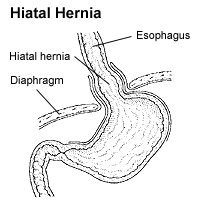 PageHiatal Hernia: Symptoms and TreatmentA hiatal hernia happens when part of the stomach or another abdominal organ moves through an opening in the diaphragm into the chest. Some cause no symptoms; others can contribute to reflux, heartburn, trouble swallowing, or chest discomfort.
 PageHemorrhoids: Symptoms and TreatmentHemorrhoids are swollen or inflamed blood vessels in the anal canal. They may cause painless, bright red bleeding, pain, or swelling, depending on their location; rectal bleeding should not automatically be assumed to be hemorrhoids.
- PagePancreatic Cancer Symptoms and Early SignsPancreatic cancer often causes no noticeable symptoms early on. Later, possible signs include jaundice, upper abdominal or back pain, unexplained weight loss, and changes in appetite or digestion, but these symptoms can also have other causes.