Bipolar Disorder: Symptoms and Guide
Bipolar disorder is a mental health condition involving episodes of depression and unusually elevated or irritable mood. The elevated episodes may be mania or hypomania, and treatment can help people manage symptoms and daily life.

What bipolar disorder is
Bipolar disorder causes shifts in mood, energy, activity, and sometimes sleep that are more intense or lasting than ordinary mood changes. Episodes can last days or weeks, and sometimes longer.
The elevated mood episodes are called mania or hypomania, depending on their severity and effect on functioning. Bipolar disorder was previously known as manic depression.
Common symptoms
During mania, a person may feel unusually energetic, happy, or irritable, need less sleep, or make impulsive decisions. Severe mania can involve psychosis or make it very difficult to function.
During depression, a person may feel persistently sad or hopeless, lose interest in activities, or have changes in sleep, energy, or concentration. Symptoms and episode patterns differ from person to person.
Types and diagnosis
Bipolar I disorder involves at least one manic episode; depressive episodes may also occur. Bipolar II disorder involves hypomanic and depressive episodes, but not a full manic episode.
A qualified health professional diagnoses bipolar disorder by asking about mood and behavior over time, including the length and impact of episodes. Similar symptoms can have other causes, so an assessment may also consider health history, medications, and other conditions.
Treatment and support
Treatment is tailored to the person and often combines ongoing professional care with practical support. A clinician can discuss options and monitor symptoms and side effects.
- Medication prescribed and monitored by a clinician
- Psychotherapy and education about the condition
- Regular follow-up and support with sleep and daily routines
Questions people ask
What is bipolar disorder?
It is a mental health condition involving episodes of depression and elevated or irritable mood. These episodes can affect energy, sleep, behavior, and everyday functioning.
What are common signs of bipolar disorder?
Signs can include periods of unusually high energy or irritability, reduced need for sleep, impulsive behavior, and episodes of depression. Only a qualified health professional can determine whether symptoms meet the criteria for bipolar disorder.
How is bipolar disorder diagnosed?
A health professional evaluates mood episodes, their duration and impact, and a person’s health history. The assessment can help distinguish bipolar disorder from other conditions with similar symptoms.
Can bipolar disorder be treated?
Yes. Professional care may include medication, psychotherapy, and ongoing monitoring. The right plan varies, so treatment decisions should be made with a clinician.
This information is educational and is not a substitute for diagnosis or care from a qualified health professional.
Keep exploring
- PageDementia: Symptoms and GuideDementia is a group of symptoms caused by changes in the brain that affect memory, thinking, language, behavior, or everyday abilities. Alzheimer’s disease is one cause of dementia, but dementia is not a normal part of aging.
 PageFibromyalgia: Symptoms and TreatmentFibromyalgia is a long-term condition marked by widespread chronic pain. It can also cause fatigue, unrefreshing sleep, trouble thinking or remembering, and other symptoms; treatment focuses on managing symptoms and supporting daily function.
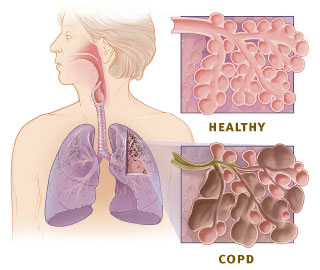 PageCOPD: Meaning, Symptoms, and BasicsCOPD stands for chronic obstructive pulmonary disease, a long-term lung condition that restricts airflow and can make breathing progressively harder. It cannot currently be cured, but treatment and lifestyle changes can help manage symptoms and slow its progression.
- PagePTSD: Meaning, Symptoms, and TherapyPTSD, or post-traumatic stress disorder, is a mental health condition that can develop after someone experiences trauma. Symptoms may include unwanted memories, avoiding reminders, changes in mood or thinking, and feeling constantly on alert; therapy can help.
- PageLewy Body Dementia: Symptoms and StagesLewy body dementia (LBD) is an umbrella term for dementia with Lewy bodies and Parkinson’s disease dementia. It can affect thinking, movement, sleep, behavior, and mood; symptoms and the pace of changes vary from person to person.
 PageDiverticulitis: Symptoms, Causes, and TreatmentDiverticulitis is inflammation of small pouches that can form in the wall of the large intestine. It often causes lower abdominal pain and may also cause nausea, fever, or changes in bowel habits; treatment depends on how severe it is.