Pancreatic Cancer Symptoms and Early Signs
Pancreatic cancer often causes no noticeable symptoms early on. Later, possible signs include jaundice, upper abdominal or back pain, unexplained weight loss, and changes in appetite or digestion, but these symptoms can also have other causes.
Common symptoms of pancreatic cancer
Symptoms can vary, and having one or more does not mean someone has pancreatic cancer. Possible signs include:
- Yellowing of the skin or eyes (jaundice)
- Dark urine or pale, greasy stools
- Pain in the upper abdomen or back
- Unexplained weight loss or reduced appetite
- Nausea, digestive changes, or unusual tiredness
Early signs can be hard to notice
Pancreatic cancer may not cause clear symptoms in its early stages. When symptoms do appear, they can be vague or resemble problems caused by other conditions.
A new or worsening symptom, especially one that persists or occurs with others, is worth discussing with a health care professional. There is no single symptom that can confirm pancreatic cancer.
Symptoms in women
The possible symptoms are generally the same in women and men; there is no separate set of symptoms unique to women. Jaundice, abdominal or back pain, unexplained weight loss, and digestive changes can occur in anyone.
Symptoms alone cannot determine the cause. A clinician can assess them and decide whether tests are needed.
When to seek medical advice
Contact a health care professional about persistent, unexplained symptoms or changes that are getting worse. Yellowing of the skin or eyes should be assessed promptly, since it can have causes that need medical attention.
Many conditions can cause these symptoms, and only a medical evaluation can help identify the cause. Seek urgent care for severe or rapidly worsening symptoms.
Questions people ask
What is the main symptom of pancreatic cancer?
There is no single main symptom. Jaundice, abdominal or back pain, unexplained weight loss, and digestive changes are among the possible signs.
What are the early signs of pancreatic cancer?
Early signs may be absent or vague. Persistent changes such as unexplained weight loss, appetite or digestive problems, or abdominal discomfort should be discussed with a health care professional.
What are the symptoms of pancreatic cancer in women?
Possible symptoms in women are generally the same as in men, including jaundice, abdominal or back pain, weight loss, and digestive changes.
Does back pain mean you have pancreatic cancer?
No. Back pain has many possible causes, and by itself it does not indicate pancreatic cancer. Talk with a health care professional if it is persistent, unexplained, or occurs with other concerning symptoms.
This information is not a diagnosis; seek medical advice about persistent or concerning symptoms.
Keep exploring
 PagePancreatitis: Causes and SymptomsPancreatitis is inflammation of the pancreas, an organ behind the stomach that helps digest food and makes hormones. It can be acute and short-term or chronic, and often causes severe upper-abdominal pain that may spread to the back.
 PageBipolar Disorder: Symptoms and GuideBipolar disorder is a mental health condition involving episodes of depression and unusually elevated or irritable mood. The elevated episodes may be mania or hypomania, and treatment can help people manage symptoms and daily life.
- PageHyperlipidemia: Meaning and SymptomsHyperlipidemia means having abnormally high levels of lipids, such as cholesterol or triglycerides, in the blood. It usually causes no noticeable symptoms and is typically found with a blood test.
- PageLewy Body Dementia: Symptoms and StagesLewy body dementia (LBD) is an umbrella term for dementia with Lewy bodies and Parkinson’s disease dementia. It can affect thinking, movement, sleep, behavior, and mood; symptoms and the pace of changes vary from person to person.
 PageDiverticulitis: Symptoms, Causes, and TreatmentDiverticulitis is inflammation of small pouches that can form in the wall of the large intestine. It often causes lower abdominal pain and may also cause nausea, fever, or changes in bowel habits; treatment depends on how severe it is.
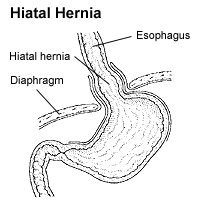 PageHiatal Hernia: Symptoms and TreatmentA hiatal hernia happens when part of the stomach or another abdominal organ moves through an opening in the diaphragm into the chest. Some cause no symptoms; others can contribute to reflux, heartburn, trouble swallowing, or chest discomfort.