Hypervigilance: Meaning and Signs
Hypervigilance means staying unusually alert for possible danger and closely monitoring what is happening around you. It can make ordinary sounds or situations feel threatening and may occur with trauma-related conditions, anxiety, or other concerns.
What hypervigilance means
In simple terms, hypervigilance is feeling on guard and scanning your surroundings for signs of danger. Your mind and body may react strongly to cues that other people see as harmless or routine.
Being alert can be a normal response to a real threat. Hypervigilance describes a pattern that is heightened or persistent even when the situation may not call for that level of alarm.
Common signs
Someone who is hypervigilant may constantly watch people or exits, startle easily, or have trouble relaxing. They may also feel tense, anxious, irritable, or exhausted from staying on alert.
These signs can vary from person to person and do not by themselves establish a diagnosis. A mental health professional can help assess what may be contributing to them.
Why it can happen
The body’s alert system helps respond to possible danger. After trauma or during some mental health conditions, that system can remain highly sensitive, so the body reacts as if a threat may be present.
Hypervigilance is described in connection with post-traumatic stress conditions, including complex PTSD, and may also occur alongside anxiety or other difficulties. The cause is not the same for everyone.
What may help
If staying on guard is affecting sleep, relationships, work, or daily life, consider talking with a mental health professional. They can help identify the cause and discuss suitable support.
Some people find it useful to try simple ways to feel more grounded while arranging support:
- Notice and name a few things you can see, hear, and feel in the present moment.
- If it feels safe, take a slow breath and remind yourself what is known about the situation right now.
- Track situations that bring on the feeling so you can discuss patterns with a professional.
Questions people ask
What does hypervigilance mean?
It means staying unusually alert for danger and closely monitoring your surroundings. It can involve strong reactions to cues that may not be threatening.
What is hypervigilance in simple terms?
It is feeling constantly on guard, as if you need to watch for something bad to happen.
What does it mean to be hypervigilant?
A hypervigilant person may scan for danger, startle easily, or find it hard to relax. These experiences alone do not determine a diagnosis.
Is hypervigilance a symptom of PTSD?
Hypervigilance can occur with PTSD and related trauma conditions, but it can have other causes too. A qualified professional can help determine what is behind it.
This information is general and is not a substitute for an evaluation by a qualified mental health professional.
Keep exploring
- PageHyperlipidemia: Meaning and SymptomsHyperlipidemia means having abnormally high levels of lipids, such as cholesterol or triglycerides, in the blood. It usually causes no noticeable symptoms and is typically found with a blood test.
- PagePTSD: Meaning, Symptoms, and TherapyPTSD, or post-traumatic stress disorder, is a mental health condition that can develop after someone experiences trauma. Symptoms may include unwanted memories, avoiding reminders, changes in mood or thinking, and feeling constantly on alert; therapy can help.
 PageSign Meaning and DefinitionsA sign is something that communicates information or points to the likely presence of something else. Signs can be natural clues, agreed-upon symbols or words, or physical displays that inform or instruct.
 PageSymbols and Their MeaningsA symbol is a mark, sign, word, or other form that represents an idea, object, relationship, or process. Its meaning may be widely shared, like a stop sign, or depend on the context and culture in which it appears.
- PageDementia: Symptoms and GuideDementia is a group of symptoms caused by changes in the brain that affect memory, thinking, language, behavior, or everyday abilities. Alzheimer’s disease is one cause of dementia, but dementia is not a normal part of aging.
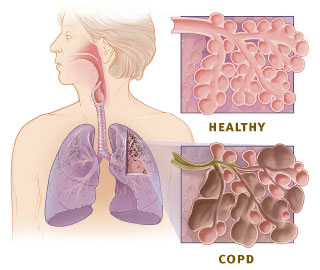 PageCOPD: Meaning, Symptoms, and BasicsCOPD stands for chronic obstructive pulmonary disease, a long-term lung condition that restricts airflow and can make breathing progressively harder. It cannot currently be cured, but treatment and lifestyle changes can help manage symptoms and slow its progression.