Hemorrhoids: Symptoms and Treatment
Hemorrhoids are swollen or inflamed blood vessels in the anal canal. They may cause painless, bright red bleeding, pain, or swelling, depending on their location; rectal bleeding should not automatically be assumed to be hemorrhoids.

What hemorrhoids are
Hemorrhoids, also called piles, are vascular cushions in the anal canal that help with stool control. They become a health problem when swollen or inflamed.
They are commonly described as internal or external, based on where they are located. Symptoms and discomfort can differ between the two.
Symptoms of hemorrhoids
Internal hemorrhoids often cause painless, bright red bleeding during a bowel movement. External hemorrhoids more often cause pain and swelling around the anus.
Bleeding from an external hemorrhoid may be darker. Symptoms often improve after a few days, though a skin tag can remain after an external hemorrhoid heals.
Ways to ease symptoms
Mild symptoms may settle on their own. These general measures may help reduce irritation while symptoms improve:
- Drink fluids and eat fiber-rich foods to help keep stools soft.
- Avoid straining and spending a long time on the toilet.
- Keep the area clean and avoid rubbing or irritating it.
When to seek medical care
Rectal bleeding can have causes other than hemorrhoids, so contact a healthcare professional if you notice blood, especially if it is new, recurring, or does not improve. Seek urgent care for heavy bleeding, faintness, or severe pain.
A clinician can assess the cause and discuss treatment options. Do not assume bleeding is from hemorrhoids without an evaluation.
Questions people ask
What does bleeding from hemorrhoids look like?
Internal hemorrhoids often cause painless, bright red bleeding during a bowel movement. Bleeding can have other causes, so contact a healthcare professional rather than assuming it is hemorrhoids.
Are hemorrhoids painful?
External hemorrhoids often cause pain and swelling. Internal hemorrhoids often cause painless bleeding.
How can hemorrhoid symptoms be eased?
Avoid straining, keep stools soft with fluids and fiber-rich foods, and avoid irritating the area. Seek medical advice if symptoms persist or bleeding occurs.
Is “hemorhhoids” a different condition?
No. “Hemorhhoids” is a misspelling of “hemorrhoids.”
This information is general and does not replace advice from a healthcare professional; rectal bleeding or severe symptoms should be medically evaluated.
Keep exploring
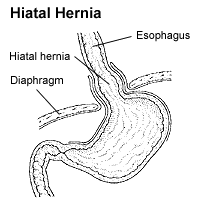 PageHiatal Hernia: Symptoms and TreatmentA hiatal hernia happens when part of the stomach or another abdominal organ moves through an opening in the diaphragm into the chest. Some cause no symptoms; others can contribute to reflux, heartburn, trouble swallowing, or chest discomfort.
 PageFibromyalgia: Symptoms and TreatmentFibromyalgia is a long-term condition marked by widespread chronic pain. It can also cause fatigue, unrefreshing sleep, trouble thinking or remembering, and other symptoms; treatment focuses on managing symptoms and supporting daily function.
 PageSpinal Stenosis: Symptoms and TreatmentSpinal stenosis is narrowing in the spinal canal or openings where nerves pass, which can put pressure on the spinal cord or nerve roots. Treatment depends on symptoms and their severity and may include physical therapy, medication, injections, or surgery.
 PageDiverticulitis: Symptoms, Causes, and TreatmentDiverticulitis is inflammation of small pouches that can form in the wall of the large intestine. It often causes lower abdominal pain and may also cause nausea, fever, or changes in bowel habits; treatment depends on how severe it is.
- PageLewy Body Dementia: Symptoms and StagesLewy body dementia (LBD) is an umbrella term for dementia with Lewy bodies and Parkinson’s disease dementia. It can affect thinking, movement, sleep, behavior, and mood; symptoms and the pace of changes vary from person to person.
 PageBipolar Disorder: Symptoms and GuideBipolar disorder is a mental health condition involving episodes of depression and unusually elevated or irritable mood. The elevated episodes may be mania or hypomania, and treatment can help people manage symptoms and daily life.