Spinal Stenosis: Symptoms and Treatment
Spinal stenosis is narrowing in the spinal canal or openings where nerves pass, which can put pressure on the spinal cord or nerve roots. Treatment depends on symptoms and their severity and may include physical therapy, medication, injections, or surgery.

What spinal stenosis is
The spinal canal is the space inside the spine that contains the spinal cord and nerves. Spinal stenosis occurs when this space, or a nerve opening, becomes abnormally narrow and presses on nerves.
The narrowing can affect different parts of the spine. Symptoms and treatment depend on where it is and how much pressure it causes.
Symptoms to watch for
Symptoms can include pain, numbness, tingling, or weakness in the arms or legs. They often develop gradually, and some people find symptoms ease when they lean forward.
New loss of bladder or bowel control, or sexual dysfunction, can be a sign of severe nerve compression. Seek urgent medical care for new bladder or bowel control problems.
Spinal stenosis treatment options
Treatment is tailored to the affected area, symptoms, and overall health. Many people start with nonsurgical care; a clinician can help weigh likely benefits and risks.
- Physical therapy or guided exercises to improve strength, flexibility, and movement.
- Medication to help manage pain or other symptoms, as recommended by a clinician.
- Injections may be considered for symptom relief in some cases; effects and risks vary.
- Surgery to create more space for nerves may be considered when symptoms are severe or do not improve enough with other care.
Getting evaluated
A clinician will ask about symptoms and medical history and perform an examination. Imaging may be used to look for narrowing and help connect the findings to symptoms.
An imaging finding alone does not determine treatment. Discuss how symptoms affect daily activities, what options are appropriate, and when to seek follow-up care.
Questions people ask
What is spinal stenosis?
It is abnormal narrowing of the spinal canal or a nerve opening that can put pressure on the spinal cord or nerve roots.
What are the symptoms of spinal stenosis?
Symptoms may include pain, numbness, or weakness in the arms or legs. They often develop gradually and may ease when leaning forward.
Can spinal stenosis be treated without surgery?
Nonsurgical options can include physical therapy, medication, and, in some cases, injections. The right approach depends on symptoms and should be discussed with a clinician.
When is surgery considered for spinal stenosis?
Surgery may be considered when symptoms are severe or do not improve enough with nonsurgical treatment. A clinician can explain the potential benefits and risks for an individual case.
This information is general and is not a substitute for medical advice; seek urgent care for new loss of bladder or bowel control.
Keep exploring
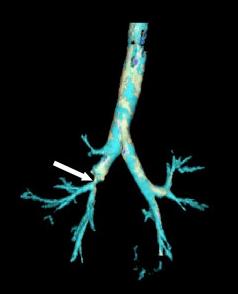 PageStenosis: Meaning and DefinitionStenosis is an abnormal narrowing of a blood vessel or another body passage or structure. The term can describe narrowing in different parts of the body; its significance depends on where it occurs and how much it narrows.
 PageFibromyalgia: Symptoms and TreatmentFibromyalgia is a long-term condition marked by widespread chronic pain. It can also cause fatigue, unrefreshing sleep, trouble thinking or remembering, and other symptoms; treatment focuses on managing symptoms and supporting daily function.
 PageHemorrhoids: Symptoms and TreatmentHemorrhoids are swollen or inflamed blood vessels in the anal canal. They may cause painless, bright red bleeding, pain, or swelling, depending on their location; rectal bleeding should not automatically be assumed to be hemorrhoids.
 PageDiverticulitis: Symptoms, Causes, and TreatmentDiverticulitis is inflammation of small pouches that can form in the wall of the large intestine. It often causes lower abdominal pain and may also cause nausea, fever, or changes in bowel habits; treatment depends on how severe it is.
- PageLewy Body Dementia: Symptoms and StagesLewy body dementia (LBD) is an umbrella term for dementia with Lewy bodies and Parkinson’s disease dementia. It can affect thinking, movement, sleep, behavior, and mood; symptoms and the pace of changes vary from person to person.
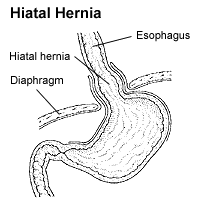 PageHiatal Hernia: Symptoms and TreatmentA hiatal hernia happens when part of the stomach or another abdominal organ moves through an opening in the diaphragm into the chest. Some cause no symptoms; others can contribute to reflux, heartburn, trouble swallowing, or chest discomfort.