Fibromyalgia: Symptoms and Treatment
Fibromyalgia is a long-term condition marked by widespread chronic pain. It can also cause fatigue, unrefreshing sleep, trouble thinking or remembering, and other symptoms; treatment focuses on managing symptoms and supporting daily function.

Common symptoms
Widespread pain is a central feature of fibromyalgia and may persist over time. Symptoms can also include fatigue, waking up tired, and difficulty thinking or remembering.
Some people also experience headaches, depression, or pain and cramps in the lower abdomen. Symptoms can differ from person to person.
Causes and risk factors
The cause of fibromyalgia is not known. Researchers have proposed several explanations for how it affects the body, but no single cause explains every case.
A health professional can help assess symptoms and consider whether another condition may be contributing to them.
Diagnosis
There is no single symptom that confirms fibromyalgia. A clinician typically considers the pattern and duration of symptoms and may check for other possible causes.
Share how pain, sleep, fatigue, and thinking problems affect daily life. Mention any other symptoms and health conditions as well.
Treatment and symptom management
Treatment is tailored to a person’s symptoms and needs. A clinician can discuss approaches that may help with pain, sleep, fatigue, or other concerns.
Options may include:
- Physical activity or exercise suited to your abilities
- Strategies for sleep and stress management
- Medication recommended by a health professional
Questions people ask
What is fibromyalgia?
Fibromyalgia is a long-term condition characterized by widespread chronic pain. It can also involve fatigue, sleep problems, and difficulty thinking or remembering.
What are the symptoms of fibromyalgia?
Common symptoms include widespread pain, fatigue, waking up tired, and trouble thinking or remembering. Headache, depression, and lower abdominal pain or cramps can also occur.
What causes fibromyalgia?
The cause is unknown. Several explanations have been proposed, but no single cause is established.
How is fibromyalgia treated?
Care is tailored to symptoms and may involve activity or exercise, sleep and stress strategies, and medication recommended by a clinician. A health professional can help decide what is appropriate.
This information is general and does not replace advice, diagnosis, or treatment from a qualified health professional.
Keep exploring
 PageSpinal Stenosis: Symptoms and TreatmentSpinal stenosis is narrowing in the spinal canal or openings where nerves pass, which can put pressure on the spinal cord or nerve roots. Treatment depends on symptoms and their severity and may include physical therapy, medication, injections, or surgery.
 PageHemorrhoids: Symptoms and TreatmentHemorrhoids are swollen or inflamed blood vessels in the anal canal. They may cause painless, bright red bleeding, pain, or swelling, depending on their location; rectal bleeding should not automatically be assumed to be hemorrhoids.
 PageDiverticulitis: Symptoms, Causes, and TreatmentDiverticulitis is inflammation of small pouches that can form in the wall of the large intestine. It often causes lower abdominal pain and may also cause nausea, fever, or changes in bowel habits; treatment depends on how severe it is.
 PageBipolar Disorder: Symptoms and GuideBipolar disorder is a mental health condition involving episodes of depression and unusually elevated or irritable mood. The elevated episodes may be mania or hypomania, and treatment can help people manage symptoms and daily life.
- PageDementia: Symptoms and GuideDementia is a group of symptoms caused by changes in the brain that affect memory, thinking, language, behavior, or everyday abilities. Alzheimer’s disease is one cause of dementia, but dementia is not a normal part of aging.
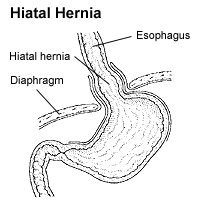 PageHiatal Hernia: Symptoms and TreatmentA hiatal hernia happens when part of the stomach or another abdominal organ moves through an opening in the diaphragm into the chest. Some cause no symptoms; others can contribute to reflux, heartburn, trouble swallowing, or chest discomfort.