Stenosis: Meaning and Definition
Stenosis is an abnormal narrowing of a blood vessel or another body passage or structure. The term can describe narrowing in different parts of the body; its significance depends on where it occurs and how much it narrows.
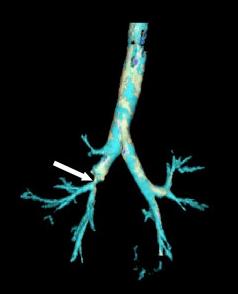
What stenosis means
In medical terms, stenosis means an abnormal narrowing of an opening, passage, or structure in the body. It may affect a blood vessel, a tubular organ, or structures such as canals and foramina.
Where stenosis can occur
Stenosis is a general term, not the name of one specific condition. The body part named before or after it identifies the location, such as a blood vessel or a canal.
The effects vary with the location and degree of narrowing. The term alone does not say what caused it or what symptoms a person may have.
Stenosis and related terms
A doctor may use stenosis as a finding or as part of a diagnosis. A related term, stricture, can also refer to an abnormal narrowing, especially in a tubular structure.
If stenosis appears on a report, the surrounding words help clarify its location and meaning. A healthcare professional can explain what the finding means in a particular case.
Questions people ask
What does stenosis mean?
Stenosis means abnormal narrowing of a blood vessel or another body passage or structure.
What is the medical definition of stenosis?
It is the abnormal narrowing of a blood vessel or another tubular structure, opening, or passage, such as a canal or foramen.
Is stenosis the same as a stricture?
The terms can both refer to abnormal narrowing. Their use can depend on the structure and medical context.
Does stenosis refer to one specific condition?
No. Stenosis is a general medical term, and the location named with it indicates which body structure is narrowed.
This information is general and is not a substitute for advice from a healthcare professional.
Keep exploring
 PageSpinal Stenosis: Symptoms and TreatmentSpinal stenosis is narrowing in the spinal canal or openings where nerves pass, which can put pressure on the spinal cord or nerve roots. Treatment depends on symptoms and their severity and may include physical therapy, medication, injections, or surgery.
- PageWhat Does SSN Mean?In the United States, SSN usually means Social Security number: a nine-digit number issued by the Social Security Administration. It helps track a person’s earnings and administer Social Security benefits and is also used for some tax and identity checks.
- PageEuthanasia: Definition and OverviewEuthanasia is the intentional ending of a person’s life to relieve suffering. The term is most often used in medical and legal discussions, and its definition and legal status can vary by place.
 PageCranial Nerves: Anatomy and DisordersCranial nerves are 12 pairs of nerves that connect directly with the brain, including the brainstem. They carry signals for senses and movement, mainly in the head and neck, and some also serve body organs.
- PageAtrium: Definition and Heart AnatomyAn atrium is an upper chamber of the heart that receives blood. The heart has a right atrium and a left atrium; in architecture, an atrium is a central open space or entrance hall in a building.
- PageBreasts: Meaning and Anatomy“Boobs” and “boobies” are informal words for breasts. Breasts are areas of tissue on the chest that include glandular, fatty, and connective tissue, along with the nipple and surrounding areola.