COPD: Meaning, Symptoms, and Basics
COPD stands for chronic obstructive pulmonary disease, a long-term lung condition that restricts airflow and can make breathing progressively harder. It cannot currently be cured, but treatment and lifestyle changes can help manage symptoms and slow its progression.
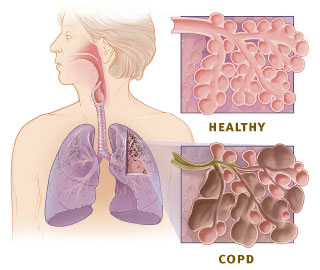
What COPD means
COPD is short for chronic obstructive pulmonary disease. It describes a group of long-term lung conditions that reduce airflow, often because the airways or lung tissue have been damaged.
The condition usually develops gradually. As it progresses, the lungs may become less effective at moving air and exchanging oxygen.
Common symptoms
Symptoms can include shortness of breath, a persistent cough, wheezing, and bringing up mucus. They may worsen over time or flare up during periods when breathing becomes suddenly more difficult.
Symptoms can have other causes, too. A health professional can evaluate breathing problems and determine whether COPD or another condition is involved.
Causes and diagnosis
COPD is often linked to long-term exposure to lung irritants, especially cigarette smoke. Other harmful particles or gases can also contribute, and the causes can vary from person to person.
A clinician may ask about symptoms and exposure history and use breathing tests to assess airflow. Getting checked when symptoms begin can help identify the cause and guide care.
Treatment and daily care
There is currently no cure for COPD, but treatment can ease symptoms and help slow the disease. Care may include prescribed medicines, pulmonary rehabilitation, and support to stop smoking when relevant.
A clinician can tailor a plan to a person’s symptoms and health. Sudden or severe trouble breathing needs prompt medical attention.
Questions people ask
What does COPD mean in medical terms?
COPD means chronic obstructive pulmonary disease. It is a long-term lung condition that restricts airflow.
What is COPD of the lungs?
COPD is a lung condition involving damage to the airways or lung tissue that makes it harder to move air. It can cause ongoing breathing problems.
What are the early symptoms of COPD?
Possible symptoms include shortness of breath, a persistent cough, wheezing, and mucus. These symptoms can also occur with other conditions, so a clinician can help identify the cause.
Can COPD be cured?
COPD cannot currently be cured, but treatment and lifestyle changes can help control symptoms and slow its progression. A health professional can recommend care suited to the individual.
This information is for general education and is not a substitute for medical advice; seek urgent medical care for severe or sudden trouble breathing.
Keep exploring
 PagePneumonia: Meaning, Symptoms, and CausesPneumonia is inflammation in the lungs that mainly affects the tiny air sacs called alveoli. It can cause cough, chest pain, fever, and difficulty breathing, and its severity can vary.
 PageBipolar Disorder: Symptoms and GuideBipolar disorder is a mental health condition involving episodes of depression and unusually elevated or irritable mood. The elevated episodes may be mania or hypomania, and treatment can help people manage symptoms and daily life.
- PagePTSD: Meaning, Symptoms, and TherapyPTSD, or post-traumatic stress disorder, is a mental health condition that can develop after someone experiences trauma. Symptoms may include unwanted memories, avoiding reminders, changes in mood or thinking, and feeling constantly on alert; therapy can help.
 PageHemorrhoids: Symptoms and TreatmentHemorrhoids are swollen or inflamed blood vessels in the anal canal. They may cause painless, bright red bleeding, pain, or swelling, depending on their location; rectal bleeding should not automatically be assumed to be hemorrhoids.
- PageDementia: Symptoms and GuideDementia is a group of symptoms caused by changes in the brain that affect memory, thinking, language, behavior, or everyday abilities. Alzheimer’s disease is one cause of dementia, but dementia is not a normal part of aging.
 PageDiverticulitis: Symptoms, Causes, and TreatmentDiverticulitis is inflammation of small pouches that can form in the wall of the large intestine. It often causes lower abdominal pain and may also cause nausea, fever, or changes in bowel habits; treatment depends on how severe it is.