PTSD: Meaning, Symptoms, and Therapy
PTSD, or post-traumatic stress disorder, is a mental health condition that can develop after someone experiences trauma. Symptoms may include unwanted memories, avoiding reminders, changes in mood or thinking, and feeling constantly on alert; therapy can help.
What PTSD means
PTSD stands for post-traumatic stress disorder. It can develop after experiencing a traumatic event, such as assault, abuse, warfare, a natural disaster, or a serious collision.
A traumatic experience does not affect everyone in the same way. PTSD symptoms can involve thoughts, feelings, dreams, and physical reactions linked to the event.
Common symptoms
Symptoms may include distressing memories or dreams, strong emotional or physical reactions to reminders, and efforts to avoid people, places, or situations connected to the trauma. Some people also notice changes in how they think or feel, or feel unusually alert and easily startled.
In young children, memories of trauma may show up in play rather than in the same ways adults describe them. A qualified health professional can assess symptoms and consider whether they fit PTSD or another condition.
PTSD therapy and treatment
Trauma-focused psychotherapy is a common treatment approach. A mental health professional can discuss options such as cognitive processing therapy, prolonged exposure, or EMDR and help choose an approach suited to the person’s needs.
Medication may also be discussed with a health professional. Treatment plans differ, and it can take time to find the right support; a primary care provider or mental health professional can help with next steps.
When to seek help
Consider reaching out to a mental health professional if trauma-related symptoms persist, disrupt daily life, or feel difficult to manage. If there is immediate danger or a risk of self-harm, contact emergency services; in the U.S., call or text 988 for crisis support.
Questions people ask
What does PTSD stand for?
PTSD stands for post-traumatic stress disorder, a mental health condition that can develop after experiencing trauma.
What are common PTSD symptoms?
Symptoms can include unwanted memories or dreams, distress around reminders, avoiding reminders, changes in thoughts or feelings, and feeling unusually alert.
What therapy is used for PTSD?
Trauma-focused therapies may include cognitive processing therapy, prolonged exposure, or EMDR. A mental health professional can discuss which options may fit.
Can PTSD develop after different kinds of trauma?
Yes. Trauma can include experiences such as assault, abuse, warfare, natural disasters, bereavement, or serious collisions.
This information is educational and is not a substitute for advice, diagnosis, or treatment from a qualified health professional.
Keep exploring
- PageTherapy: Types, Questions, and What to ExpectTherapy is a form of support that can help people understand emotions, change unhelpful patterns, and work through mental health or life challenges. It often involves talking with a trained therapist, and the approach depends on a person’s needs and goals.
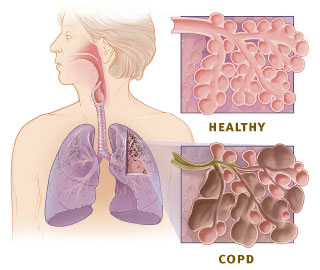 PageCOPD: Meaning, Symptoms, and BasicsCOPD stands for chronic obstructive pulmonary disease, a long-term lung condition that restricts airflow and can make breathing progressively harder. It cannot currently be cured, but treatment and lifestyle changes can help manage symptoms and slow its progression.
 PageBipolar Disorder: Symptoms and GuideBipolar disorder is a mental health condition involving episodes of depression and unusually elevated or irritable mood. The elevated episodes may be mania or hypomania, and treatment can help people manage symptoms and daily life.
- PageHypervigilance: Meaning and SignsHypervigilance means staying unusually alert for possible danger and closely monitoring what is happening around you. It can make ordinary sounds or situations feel threatening and may occur with trauma-related conditions, anxiety, or other concerns.
- PageEMDR Therapy: How It WorksEMDR stands for eye movement desensitization and reprocessing. It is a form of psychotherapy that helps people process traumatic memories, often using guided eye movements or another type of alternating, side-to-side stimulation.
 PageCognitive Behavioral Therapy (CBT)Cognitive behavioral therapy (CBT) is a type of psychotherapy that helps people notice and adjust unhelpful patterns in their thoughts and behaviors. It uses practical strategies to build more helpful ways of responding to difficult situations.