Pneumonia: Meaning, Symptoms, and Causes
Pneumonia is inflammation in the lungs that mainly affects the tiny air sacs called alveoli. It can cause cough, chest pain, fever, and difficulty breathing, and its severity can vary.

What pneumonia means
Pneumonia is an inflammatory condition of the lungs. It mainly affects the alveoli, the small air sacs where the lungs exchange gases.
Common symptoms
Symptoms can include a dry or mucus-producing cough, chest pain, fever, and difficulty breathing. The mix and severity of symptoms vary from person to person.
Causes and spread
Pneumonia can be caused by infections, including those from bacteria, viruses, or fungi. Whether it can spread to others depends on the cause; the germs that lead to pneumonia may be contagious even though pneumonia itself is not always passed directly from person to person.
When to seek medical care
A health professional can assess symptoms and determine whether pneumonia or another condition may be responsible. Get urgent medical help for severe difficulty breathing, and seek prompt advice if symptoms are worsening or you are concerned.
Questions people ask
What is pneumonia?
Pneumonia is inflammation in the lungs, mainly affecting the small air sacs called alveoli.
What are common symptoms of pneumonia?
Symptoms may include a dry or mucus-producing cough, chest pain, fever, and difficulty breathing.
What causes pneumonia?
Pneumonia can result from infections caused by bacteria, viruses, or fungi.
Is pneumonia contagious?
It depends on the cause. Some germs that can lead to pneumonia spread between people, but not every case is contagious in the same way.
This information is general and does not replace advice from a qualified health professional.
Keep exploring
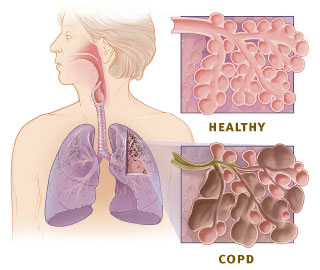 PageCOPD: Meaning, Symptoms, and BasicsCOPD stands for chronic obstructive pulmonary disease, a long-term lung condition that restricts airflow and can make breathing progressively harder. It cannot currently be cured, but treatment and lifestyle changes can help manage symptoms and slow its progression.
 PagePancreatitis: Causes and SymptomsPancreatitis is inflammation of the pancreas, an organ behind the stomach that helps digest food and makes hormones. It can be acute and short-term or chronic, and often causes severe upper-abdominal pain that may spread to the back.
- PageWhat Causes Yeast Infections?Yeast infections happen when yeast—most often Candida—grows more than usual in or on the body. Antibiotics, hormonal changes, diabetes, and warm, moist skin can raise the risk, but sometimes there’s no clear cause.
- PageDementia: Symptoms and GuideDementia is a group of symptoms caused by changes in the brain that affect memory, thinking, language, behavior, or everyday abilities. Alzheimer’s disease is one cause of dementia, but dementia is not a normal part of aging.
- PagePTSD: Meaning, Symptoms, and TherapyPTSD, or post-traumatic stress disorder, is a mental health condition that can develop after someone experiences trauma. Symptoms may include unwanted memories, avoiding reminders, changes in mood or thinking, and feeling constantly on alert; therapy can help.
 PageDiverticulitis: Symptoms, Causes, and TreatmentDiverticulitis is inflammation of small pouches that can form in the wall of the large intestine. It often causes lower abdominal pain and may also cause nausea, fever, or changes in bowel habits; treatment depends on how severe it is.