Hematocrit: Meaning and Levels
Hematocrit is the percentage of your blood volume made up of red blood cells. It is measured as part of a blood test, and the result is interpreted using the lab’s reference range and your health context.
What hematocrit means
Hematocrit, sometimes written as HCT, measures the share of your blood volume made up of red blood cells. These cells carry oxygen through your body.
The result depends on both how many red blood cells you have and their size. Hematocrit is usually included in a complete blood count (CBC), alongside results such as hemoglobin, white blood cells, and platelets.
Hematocrit levels and reference ranges
A hematocrit result is reported as a percentage. The reference ranges in the table are examples; the range printed on your lab report may differ.
Age, sex, pregnancy, altitude, hydration, and other health factors can affect results. A clinician can explain what your number means alongside the rest of your CBC.
What a low or high result can mean
A low hematocrit can occur with anemia or blood loss, among other causes. A high result can occur with dehydration or conditions that increase red blood cells.
One result does not establish a diagnosis. Your clinician may consider symptoms, medical history, other blood test results, and whether a repeat test is needed.
How to read your result
Check the reference range shown beside your result, since ranges can vary between laboratories. If your result is marked high or low, ask your healthcare professional how it fits with your overall health and other CBC measurements.
Questions people ask
What is hematocrit?
Hematocrit is the percentage of your blood volume that consists of red blood cells. It is commonly measured as part of a CBC.
What is a normal hematocrit level?
Normal ranges vary by laboratory and can depend on factors such as age and sex. Use the reference range on your lab report and ask a healthcare professional to interpret your result.
What does a low hematocrit mean?
A low result can be associated with anemia or blood loss, among other causes. It needs to be considered with your symptoms and other test results.
What does a high hematocrit mean?
A high result can occur with dehydration or conditions that increase red blood cells. A healthcare professional can help determine whether follow-up is needed.
This information is general and does not replace medical advice; consult a healthcare professional about your test results or symptoms.
Keep exploring
 PageBlood: What It Is and What It DoesBlood is a specialized connective tissue that circulates through the body. It carries oxygen and nutrients to cells, moves waste products away, and helps the body fight infection and stop bleeding.
 PageHemorrhoids: Symptoms and TreatmentHemorrhoids are swollen or inflamed blood vessels in the anal canal. They may cause painless, bright red bleeding, pain, or swelling, depending on their location; rectal bleeding should not automatically be assumed to be hemorrhoids.
- PageHyperlipidemia: Meaning and SymptomsHyperlipidemia means having abnormally high levels of lipids, such as cholesterol or triglycerides, in the blood. It usually causes no noticeable symptoms and is typically found with a blood test.
 PageCellular RespirationCellular respiration is how cells release energy from nutrients and capture much of it in ATP. In aerobic respiration, cells use oxygen to break down glucose, producing carbon dioxide and water.
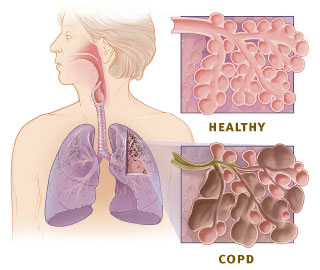 PageCOPD: Meaning, Symptoms, and BasicsCOPD stands for chronic obstructive pulmonary disease, a long-term lung condition that restricts airflow and can make breathing progressively harder. It cannot currently be cured, but treatment and lifestyle changes can help manage symptoms and slow its progression.
 PageGout: Causes and InformationGout is a type of arthritis caused by urate crystals forming in and around joints, leading to sudden attacks of pain and swelling. It often affects the joint at the base of the big toe, but other joints can be involved.