What Is Poop?
Poop, also called stool or feces, is waste that leaves the body after food has been digested. It contains water and material the body did not absorb, along with bacteria and other substances.
What poop is
Poop is the solid or semisolid waste passed from the digestive system through the rectum and anus. It is also called stool or feces.
The body absorbs nutrients from food as it moves through the digestive tract. What remains—including water, undigested material, bacteria, and shed cells—helps make up stool.
How poop forms
After food is swallowed, it travels through the digestive system, where it is broken down and nutrients are absorbed. Material that is not absorbed moves into the large intestine.
The large intestine absorbs water and helps shape the remaining material into stool. The stool is stored in the rectum until a bowel movement.
What normal poop can look like
Stool can vary in shape, firmness, and how often it is passed. Brown is a common color, but food, medicines, and other factors can change its appearance.
A person's usual pattern matters: bowel habits differ from person to person. A lasting change in color, consistency, or frequency may be worth discussing with a health care professional.
When to get medical advice
Contact a health care professional if you notice blood in your stool, black or tarry stool, or a bowel-habit change that persists or concerns you. Severe pain or feeling very unwell also calls for prompt medical advice.
Stool color can have harmless causes, but appearance alone cannot confirm what is happening. A clinician can assess symptoms and decide whether tests or treatment are needed.
Questions people ask
Why is poop brown?
Brown is a common stool color because of substances formed as the body processes bile, a digestive fluid. Food and some medicines can also affect stool color.
Why does poop smell?
As food is digested, bacteria in the intestines produce substances that contribute to stool's odor. The smell can vary with diet and other factors.
How often should you poop?
Bowel habits vary, and there is no single schedule that is right for everyone. A persistent change from your usual pattern is a reason to seek medical advice.
What does it mean if poop is black?
Some foods and medicines can make stool look dark, but black or tarry stool can also signal bleeding. Contact a health care professional for guidance, especially if you feel unwell.
This information is general and does not replace advice from a health care professional.
Keep exploring
- PageWhat Does POV Mean?POV usually means “point of view”—the perspective from which someone sees or tells something. Online, a “POV” caption often sets up a scene for the viewer to imagine experiencing.
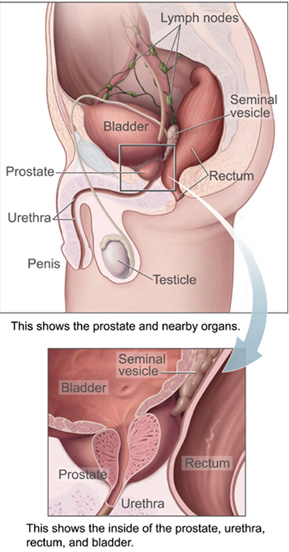 PageWhat Is the Prostate?The prostate is a gland in the male reproductive system, located below the bladder and around part of the urethra. It makes fluid that becomes part of semen and can affect urination if it grows or develops a health problem.
 PageWhat Is Protein?Protein is a nutrient made of amino acids and a biomolecule found in every living organism. In the body, proteins help build and maintain tissues and carry out many essential tasks.
- PageWhat Is a VPN?A VPN, or virtual private network, creates an encrypted connection between your device and a VPN server over the internet. It can help protect your connection from being read on a local network and can make websites see the server’s IP address instead of your device’s.
 PageGout: Causes and InformationGout is a type of arthritis caused by urate crystals forming in and around joints, leading to sudden attacks of pain and swelling. It often affects the joint at the base of the big toe, but other joints can be involved.
- PageATP in Biology and MedicineATP, or adenosine triphosphate, is a molecule cells use to transfer energy for essential processes. In medicine, ATP is also a term used in specific clinical contexts, including some treatments for abnormal heart rhythms; its use depends on the condition and local practice.