What Is a VPN?
A VPN, or virtual private network, creates an encrypted connection between your device and a VPN server over the internet. It can help protect your connection from being read on a local network and can make websites see the server’s IP address instead of your device’s.
What VPN stands for
VPN stands for “virtual private network.” It extends a private network connection across a public network, such as the internet.
People use VPNs to connect to a work or school network remotely, or to route personal internet traffic through a VPN provider’s server.
How a VPN works
A VPN app or device creates an encrypted tunnel between your device and a VPN server. Your internet traffic travels through that tunnel, making it harder for others on the same local network to read the data in transit.
After traffic reaches the VPN server, it goes on to its destination. Websites generally see the VPN server’s IP address rather than your device’s original IP address.
What a VPN can and can’t do
A VPN can add privacy on networks you don’t control and can change the IP address that websites see. Your VPN provider may still be able to handle or observe some connection information, so the provider’s policies matter.
A VPN does not make you fully anonymous or automatically protect you from scams, malware, or tracking through accounts and cookies. It also does not replace HTTPS, which protects data between your browser and a website.
When people use a VPN
A person might use a VPN while connecting to public Wi-Fi, accessing a workplace network from home, or routing traffic through a server in another location.
The specific privacy and access benefits depend on the VPN service, its settings, and the websites or apps being used.
Questions people ask
What does VPN stand for?
VPN stands for virtual private network. It is a way to extend a private network connection over a public network such as the internet.
What is a VPN?
A VPN is a service or network setup that routes traffic through an encrypted connection to a VPN server. It can help protect traffic on a local network and change the IP address a website sees.
How does a VPN work?
A VPN creates an encrypted tunnel between your device and a VPN server. The server then forwards your traffic to its destination.
Does a VPN make you anonymous?
No. A VPN can hide your original IP address from websites, but it does not prevent all tracking or hide your identity when you sign in to accounts.
A VPN is only one part of online security and does not protect against every privacy or security risk.
Keep exploring
- PageWhat Does SSN Mean?In the United States, SSN usually means Social Security number: a nine-digit number issued by the Social Security Administration. It helps track a person’s earnings and administer Social Security benefits and is also used for some tax and identity checks.
- AppWhat Is My IP AddressYour public IP address as this server sees it, IPv4 or IPv6, with your browser and operating system.
 PageThe U.S. SenateThe U.S. Senate is the upper chamber of Congress, alongside the House of Representatives. It represents each state equally and helps make federal laws.
- PageGoon: Meaning and Definition“Goon” usually means a thug or hired enforcer, or—informally—a foolish or clumsy person. Online, “gooning” has a separate sexual meaning, so the intended definition depends on the context.
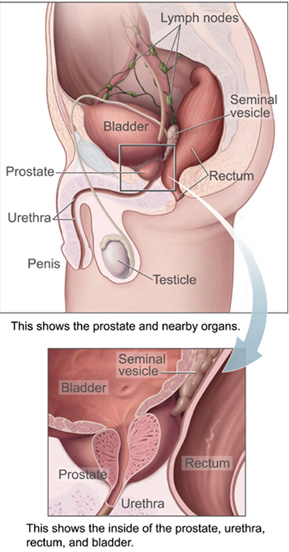 PageWhat Is the Prostate?The prostate is a gland in the male reproductive system, located below the bladder and around part of the urethra. It makes fluid that becomes part of semen and can affect urination if it grows or develops a health problem.
- PageWhat Is Poop?Poop, also called stool or feces, is waste that leaves the body after food has been digested. It contains water and material the body did not absorb, along with bacteria and other substances.