Tiwanaku, Bolivia: History and Travel Guide
Tiwanaku is a major pre-Columbian archaeological site in western Bolivia, near Lake Titicaca and about 70 kilometers from La Paz. Its remains include monumental structures, decorated ceramics, and large stone blocks.

What is Tiwanaku?
Tiwanaku is an archaeological site in western Bolivia and one of the largest ancient sites in South America. Its surface remains cover around 4 square kilometers.
The site is known for monumental structures and megalithic blocks, along with decorated ceramics. It lies just north of another ancient building site, Qhunqhu Wankani.
Tiwanaku’s history
Tiwanaku was inhabited before European colonization of the Americas. A conservative estimate puts its population at 10,000 to 20,000 people around AD 800.
Those figures are estimates, not a precise count. The visible remains offer evidence of a large settlement and its monumental construction.
Where Tiwanaku is and what to see
The site is near Lake Titicaca in western Bolivia, about 70 kilometers from La Paz. Its scale and stone structures make it a notable destination for visitors interested in archaeology and ancient history.
Before traveling, check current information about access, opening times, and transport, as visitor arrangements can change.
Planning a visit
A visit can focus on the monumental structures, megalithic blocks, and decorated ceramics documented at the site. Allow time to explore the area rather than treating it as a single monument.
If traveling from La Paz, confirm your route and the site’s visitor information before departure. Conditions and available services may vary.
Questions people ask
Where is Tiwanaku in Bolivia?
Tiwanaku is in western Bolivia near Lake Titicaca, about 70 kilometers from La Paz.
What is Tiwanaku known for?
It is known as a large pre-Columbian archaeological site with monumental structures, megalithic blocks, and decorated ceramics.
How large is the Tiwanaku archaeological site?
The surface remains cover around 4 square kilometers.
How many people lived at Tiwanaku?
A conservative estimate suggests that 10,000 to 20,000 people lived there around AD 800.
Keep exploring
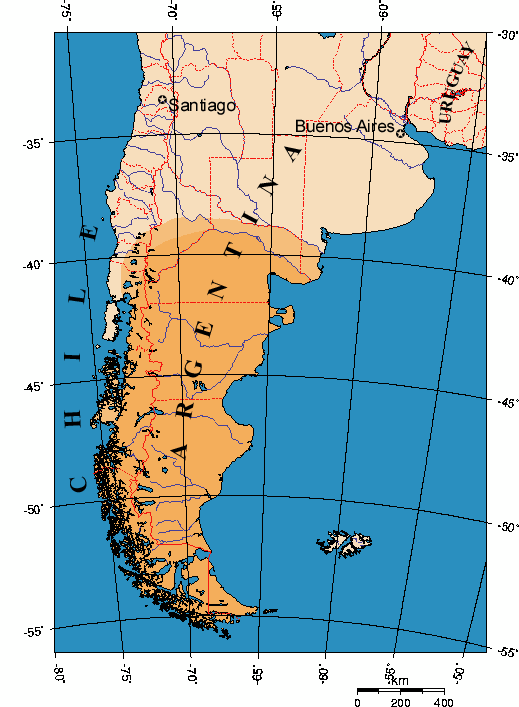 PagePatagonia Travel GuidePatagonia is a vast region at the southern end of South America, shared by Argentina and Chile. A trip can include Andean mountains, lakes, fjords, rainforests, glaciers, deserts, and steppes, so choose a region and route that fit your time and interests.
 PageCopacabana, BoliviaCopacabana is a lakeside town in Bolivia’s La Paz Department, on the shore of Lake Titicaca. It is known for its basilica, religious and cultural traditions, trout, and boat trips to Isla del Sol.
- PageIguazu Falls Travel GuideIguazu Falls straddles the Argentina–Brazil border, and visitors can see it from national parks on both sides. For a trip, choose a base, check entry requirements and park details, and allow time for the viewpoints and trails you want to visit.
 PageColca Canyon, Peru: Travel GuideColca Canyon is a deep canyon formed by the Colca River in southern Peru, about 160 kilometers northwest of Arequipa. The surrounding valley is known for its Andean communities, pre-Inca agricultural terraces, and long history of settlement.
 PageValle de las Ánimas, BoliviaValle de las Ánimas is a geological formation and protected natural area near the city of La Paz, Bolivia. It sits about 3,965 meters above sea level, a few kilometers from the metropolitan area.
 PageCartagena, Colombia Travel GuideCartagena is a Caribbean port city in northern Colombia, known for its historic walled center, colonial architecture, and coastal setting. Plan time for the Old Town, nearby Getsemaní, and a boat trip or beach outing if it suits your schedule.