Iguazu Falls Travel Guide
Iguazu Falls straddles the Argentina–Brazil border, and visitors can see it from national parks on both sides. For a trip, choose a base, check entry requirements and park details, and allow time for the viewpoints and trails you want to visit.
Plan your visit
Puerto Iguazú in Argentina and Foz do Iguaçu in Brazil are the main bases for visiting the falls. Puerto Iguazú is about 18 kilometres from the falls, and each country’s park has its own entrance and visitor experience.
Steps for planning a trip
A little preparation helps you decide which side to visit and how much time to set aside. Check current park information and travel requirements before you go.
- 1Choose a base in Argentina or Brazil, or plan lodging and transport for both sides.
- 2Check the entry rules for each country you plan to visit, including any border-crossing requirements.
- 3Review current park hours, ticket information, trail access, and transportation options through official sources.
- 4Pack for walking and expect spray near the falls; protect electronics and bring rain protection if useful.
- 5Allow time for your chosen trails and viewpoints, and follow posted park rules.
Argentina and Brazil sides
The Argentine park is known for trails and close-up viewpoints, while the Brazilian park offers broad views across the falls. Visiting both gives you different perspectives, but crossing the border takes planning and requires meeting the applicable entry rules.
When to go and what to expect
Conditions can vary with weather and water levels, so the appearance and flow of the falls may change. Trails and access can also be affected by conditions; check the parks’ official updates shortly before your visit.
Questions people ask
Where are Iguazu Falls?
Iguazu Falls is on the Iguazú River along the border of Argentina and Brazil. National parks in both countries provide access to the falls.
Is the Argentina or Brazil side of Iguazu Falls better?
They offer different views: the Argentine side has trails and close viewpoints, while the Brazilian side is known for wide panoramas. Visiting both is a good option if your schedule and border-entry requirements allow.
How many days do you need for Iguazu Falls?
Plan according to whether you want to visit one side or both. Seeing both takes time for the separate parks and the border crossing, so check current transport and park details when setting your schedule.
What should you bring to Iguazu Falls?
Wear comfortable footwear for walking and bring protection for your belongings around spray. Check the forecast and park guidance before deciding whether to bring rain gear.
Keep exploring
 PageGalápagos Islands Travel GuideTo travel to the Galápagos Islands, fly from mainland Ecuador and plan to explore by boat, on guided excursions, or from a local island base. The islands are a protected national park and marine reserve, so check current entry rules and travel arrangements before you go.
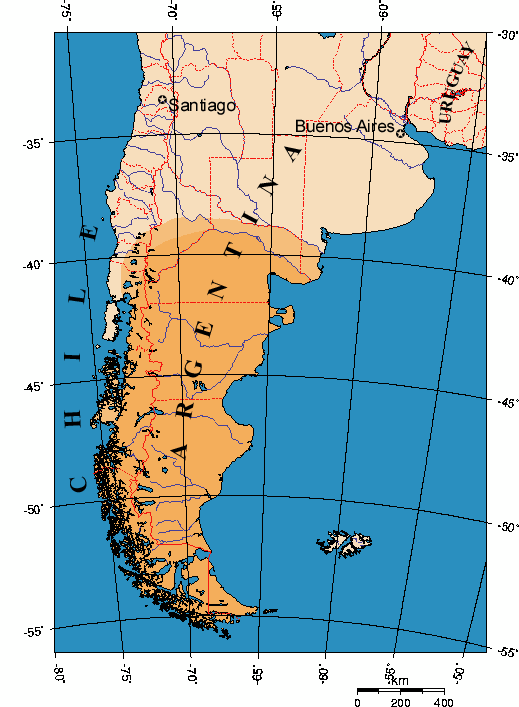 PagePatagonia Travel GuidePatagonia is a vast region at the southern end of South America, shared by Argentina and Chile. A trip can include Andean mountains, lakes, fjords, rainforests, glaciers, deserts, and steppes, so choose a region and route that fit your time and interests.
 PageTiwanaku, Bolivia: History and Travel GuideTiwanaku is a major pre-Columbian archaeological site in western Bolivia, near Lake Titicaca and about 70 kilometers from La Paz. Its remains include monumental structures, decorated ceramics, and large stone blocks.
 PageThe Bahamas Travel GuideThe Bahamas is an island country in the Atlantic Ocean, southeast of Florida and north of Cuba. Its capital, Nassau, is on New Providence; because the country spans many islands and cays, choose your destinations and check transportation and entry requirements before you go.
 PageYellowstone National Park GuideYellowstone National Park is in the western United States, mostly in northwest Wyoming, with small portions in Montana and Idaho. It is known for its wildlife and geothermal features, including the Old Faithful geyser.
 PageAtacama Desert Travel GuideThe Atacama Desert is in northern Chile, between the Pacific coast and the Andes. Many travelers stay in San Pedro de Atacama and visit nearby desert landscapes on day trips; flying to Calama and continuing by road is a common route.