Euthanasia: Definition and Overview
Euthanasia is the intentional ending of a person’s life to relieve suffering. The term is most often used in medical and legal discussions, and its definition and legal status can vary by place.
What euthanasia means
Euthanasia means intentionally ending a life to eliminate pain or suffering. In discussions about humans, it generally refers to a medical context, but the exact meaning can vary by jurisdiction and source.
Euthanasia for humans
In human medicine, euthanasia is discussed in relation to a person experiencing severe suffering and the circumstances under which life-ending actions may be considered. It is distinct from stopping or declining treatment, which allows an underlying illness to take its course.
Euthanasia and assisted dying
Euthanasia and assisted dying are related terms, but they are not always used to mean the same thing. One common distinction is who performs the final life-ending action; legal definitions and rules differ across places.
Questions people ask
What is the definition of euthanasia?
Euthanasia is the intentional ending of a life to relieve pain or suffering. Its precise definition can differ across medical, legal, and ethical contexts.
What does euthanasia mean for humans?
For humans, the term generally refers to intentionally ending a person’s life in a medical context to relieve suffering. The meaning and rules depend on the jurisdiction.
Is euthanasia the same as assisted dying?
Not always. The terms can be distinguished by who performs the final life-ending action, though usage and legal definitions vary.
Is euthanasia legal in the United States?
The law varies by jurisdiction, and terms such as euthanasia and assisted dying may be defined differently. Check current state law or consult a qualified legal professional for a specific situation.
This is general information, not medical or legal advice; laws and clinical practices vary, so consult qualified professionals about a specific situation.
Keep exploring
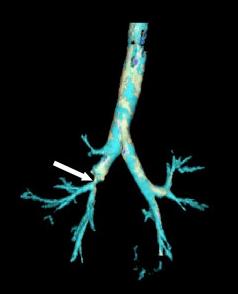 PageStenosis: Meaning and DefinitionStenosis is an abnormal narrowing of a blood vessel or another body passage or structure. The term can describe narrowing in different parts of the body; its significance depends on where it occurs and how much it narrows.
- PageAtrium: Definition and Heart AnatomyAn atrium is an upper chamber of the heart that receives blood. The heart has a right atrium and a left atrium; in architecture, an atrium is a central open space or entrance hall in a building.
- AppEuchreOrder up, go alone and euchre the other side with a computer partner, first to 10 points.
 PagePhotosynthesis: Definition and ExplanationPhotosynthesis is the process plants, algae, and some bacteria use to turn light energy into chemical energy. In the common oxygen-producing form, they use water and carbon dioxide to make sugars and release oxygen.
 PageCellular RespirationCellular respiration is how cells release energy from nutrients and capture much of it in ATP. In aerobic respiration, cells use oxygen to break down glucose, producing carbon dioxide and water.
- PageTherapy: Types, Questions, and What to ExpectTherapy is a form of support that can help people understand emotions, change unhelpful patterns, and work through mental health or life challenges. It often involves talking with a trained therapist, and the approach depends on a person’s needs and goals.