How to Get to Machu Picchu by Train
The train takes you to Aguas Calientes, the town below Machu Picchu—not to the archaeological site itself. From there, continue by shuttle bus or on foot to the entrance.
Plan the train trip
Most visitors travel from Cusco to Ollantaytambo by road, then board a train to Aguas Calientes, also called Machu Picchu Pueblo. Train departure points and schedules can vary, so check current options for your travel date.
- 1Choose a train departure point and check the schedule for your date.
- 2Arrange transport from Cusco to the train station if your service leaves from Ollantaytambo or another station outside the city.
- 3Take the train to Aguas Calientes.
- 4From town, take a shuttle bus or walk up to the Machu Picchu entrance.
Book the separate parts of your visit
A train ticket does not include admission to Machu Picchu. Arrange site entry separately, and check the official visitor information for current entry rules and available times.
- Compare train departure and return times with your planned entry time.
- Allow time to get between the station, town, and site entrance.
- Check current bus or walking arrangements for the route from Aguas Calientes to the entrance.
Where the train takes you
Machu Picchu is an Inca citadel in southern Peru, about 80 kilometers northwest of Cusco. It sits high on a mountain ridge above the Sacred Valley.
Aguas Calientes is the rail-connected town below the site. The final leg from town to Machu Picchu is by bus or on foot, rather than by train.
Questions people ask
Can you take a train from Cusco to Machu Picchu?
You can take a train from a station in the Cusco area to Aguas Calientes, but the train does not reach the archaeological site. From town, continue by bus or on foot.
Where does the train to Machu Picchu arrive?
It arrives in Aguas Calientes, also known as Machu Picchu Pueblo. The site entrance is farther uphill.
Is there a train directly to Machu Picchu?
No. The train goes to Aguas Calientes, and visitors travel from there to the entrance by shuttle bus or on foot.
Do I need a separate ticket for Machu Picchu?
Yes. Train travel and admission to the archaeological site are separate, so arrange both for your visit.
Keep exploring
 PageColca Canyon, Peru: Travel GuideColca Canyon is a deep canyon formed by the Colca River in southern Peru, about 160 kilometers northwest of Arequipa. The surrounding valley is known for its Andean communities, pre-Inca agricultural terraces, and long history of settlement.
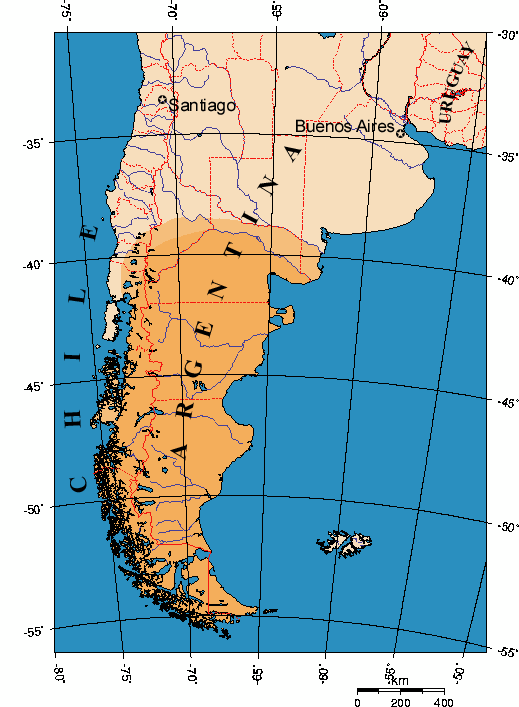 PagePatagonia Travel GuidePatagonia is a vast region at the southern end of South America, shared by Argentina and Chile. A trip can include Andean mountains, lakes, fjords, rainforests, glaciers, deserts, and steppes, so choose a region and route that fit your time and interests.
 PageCartagena, Colombia Travel GuideCartagena is a Caribbean port city in northern Colombia, known for its historic walled center, colonial architecture, and coastal setting. Plan time for the Old Town, nearby Getsemaní, and a boat trip or beach outing if it suits your schedule.
- PageValparaíso, Chile Travel GuideGreater Valparaíso is a metropolitan area on Chile’s Pacific coast, centered on the historic port city of Valparaíso. It includes neighboring cities such as Viña del Mar and is known for its coastal setting and hillside neighborhoods.
- PageGuatapé, Colombia Travel GuideGuatapé is a town in Antioquia, Colombia, known for its colorful zócalo-decorated buildings and the nearby Rock of Guatapé, or El Peñón. Visitors often combine a walk around town with a climb up the rock and time by the reservoir.
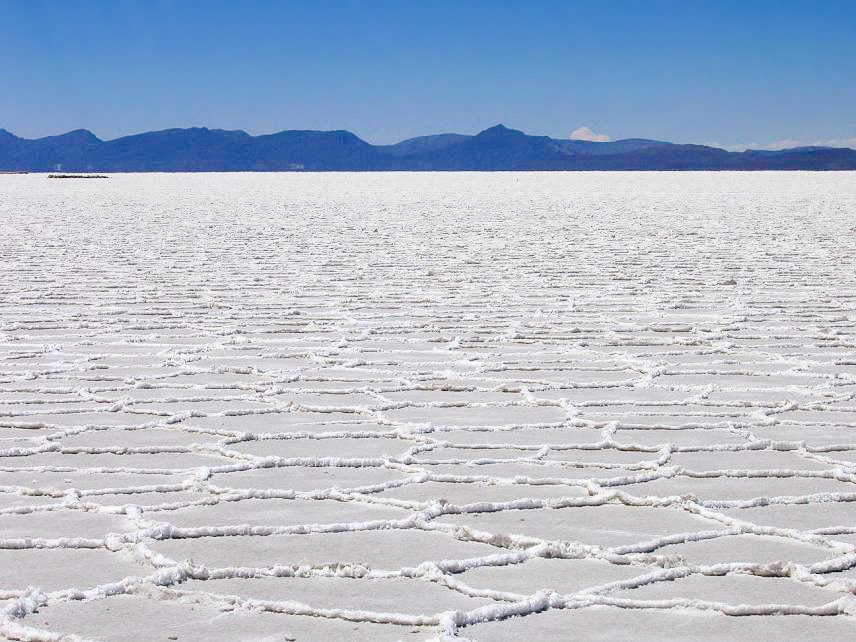 PageTravel to Salar de UyuniSalar de Uyuni is in southwestern Bolivia, and most visits start in the nearby town of Uyuni. Plan your route, choose a guided tour or other suitable transport, and prepare for high altitude and changing conditions on the salt flat.