Travel to Salar de Uyuni
Salar de Uyuni is in southwestern Bolivia, and most visits start in the nearby town of Uyuni. Plan your route, choose a guided tour or other suitable transport, and prepare for high altitude and changing conditions on the salt flat.
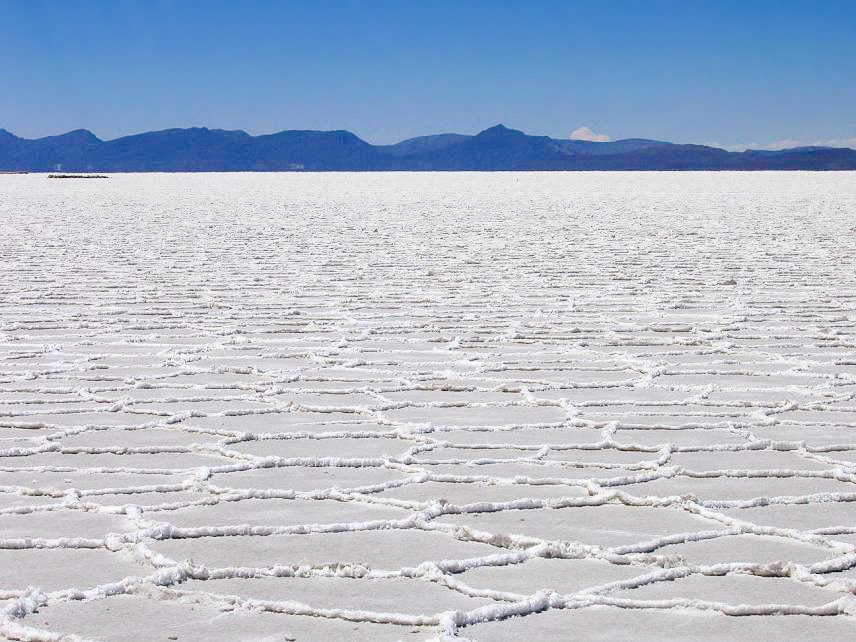
Plan your route
Uyuni is the usual starting point for trips onto the salt flat. Arrange your transport to Uyuni before booking activities, and check current schedules with airlines or bus companies because routes and availability can change.
Many visitors explore with a local tour that includes transport across the salt flat. Confirm what the tour covers, how long it lasts, and whether meals or overnight stops are included.
Steps to prepare for your visit
A little planning helps you choose the right timing and travel arrangements. Check conditions close to your departure, since access and travel plans can vary with weather.
- 1Choose a travel period and check the latest local conditions and tour availability.
- 2Book transport to Uyuni and decide whether to take a guided tour or arrange another suitable way to visit.
- 3Pack warm layers, sun protection, water, and any personal medication you may need.
- 4Allow time to adjust to the altitude, and follow your guide’s instructions while on the salt flat.
What to expect on the salt flat
Salar de Uyuni sits at about 3,656 meters (11,995 feet) above sea level, so some travelers may feel the effects of altitude. Take it easy at first and seek medical advice if you have concerns about traveling at high elevation.
Conditions and scenery vary by season. The surface may be dry or wet, so check what to expect for your dates and bring clothing and footwear suitable for changing conditions.
Practical tips
Bring sun protection, including sunglasses and sunscreen, and keep water accessible. Temperatures can drop, so pack warm clothing even if the daytime forecast looks mild.
Follow local guidance about where vehicles can travel and how to protect the salt surface. Keep essentials with you, as services may be limited once you leave town.
Questions people ask
Where is Salar de Uyuni?
It is in southwestern Bolivia, in Daniel Campos Province of the Potosí Department.
How do you get to Salar de Uyuni?
Most visitors first travel to the town of Uyuni, then continue onto the salt flat by tour or other arranged transport. Check current flight, bus, and tour availability before traveling.
How high is Salar de Uyuni?
The salt flat is about 3,656 meters (11,995 feet) above sea level. Allow time to adjust to the altitude and take symptoms seriously.
What should you pack for Salar de Uyuni?
Bring warm layers, sun protection, water, and any personal medication you need. Check the forecast and local advice for your travel dates.
Travel conditions and access can change; check current local guidance and consult a health professional if you have concerns about high-altitude travel.
Keep exploring
 PageFuerteventura Travel GuideFuerteventura is one of Spain’s Canary Islands, set in the Atlantic Ocean off the coast of North Africa. It is known for its beaches and open landscapes, and offers a quieter island setting for exploring the Canaries.
 PageOia and Santorini Travel GuideOia is a village on the northwestern tip of Santorini, Greece, known for its caldera views and sunset scenery. It is part of the municipality of Santorini, while the nearby island of Therasia is also included in Oia’s municipal unit.
 PageUlaagchinii Khar Nuur National ParkUlaagchinii Khar Nuur National Park is a protected area in west-central Mongolia centered on two large freshwater lakes: Bayan Lake and Ulaagchin Khar Lake. Ulaagchin Khar Lake lies in Zavkhan Province, west of the Tarvagatai Mountains.
- PageValparaíso, Chile Travel GuideGreater Valparaíso is a metropolitan area on Chile’s Pacific coast, centered on the historic port city of Valparaíso. It includes neighboring cities such as Viña del Mar and is known for its coastal setting and hillside neighborhoods.
 PageKsar Ouled Soltane, TunisiaKsar Ouled Soltane is a fortified granary in southern Tunisia’s Tataouine district. Its two courtyards are lined with multi-story vaulted storage rooms called ghorfas.
- PageHow to Get to Machu Picchu by TrainThe train takes you to Aguas Calientes, the town below Machu Picchu—not to the archaeological site itself. From there, continue by shuttle bus or on foot to the entrance.