The Sun
The Sun is the star at the center of our solar system. It produces energy through nuclear fusion in its core and supplies most of the energy that supports life on Earth.

What the Sun is
The Sun is a massive sphere of hot plasma, not a solid ball. Its gravity holds the solar system together, including Earth and the other planets.
The Sun is one of many stars in the universe. It appears much larger and brighter than other stars because it is much closer to Earth.
How the Sun makes energy
Nuclear fusion reactions in the Sun’s core release energy. That energy travels outward and radiates from the Sun, mainly as visible light and infrared radiation.
Sunlight also contains ultraviolet radiation. The Sun’s energy warms Earth and helps power natural processes, including the growth of plants.
The Sun and life on Earth
The Sun is Earth’s main source of energy and daylight. Life on Earth depends on the energy it provides, though too much direct sunlight can be harmful to people.
People have observed and revered the Sun across many cultures. It has also been a subject of astronomical research since ancient times.
Questions people ask
Is the Sun a star?
Yes. The Sun is the star at the center of our solar system.
What is sunlight?
Sunlight is the energy radiated by the Sun, including visible light, infrared radiation, and ultraviolet radiation.
Why is the Sun important to Earth?
It is Earth’s main source of energy and provides the light and warmth that support life.
What does “suns” mean?
“Suns” is the plural of “sun.” It can refer to multiple stars, though people often use “the Sun” for the star in our solar system.
Keep exploring
 PageFlowers and PlantsFlowers are the reproductive structures of flowering plants. Their parts often include sepals, petals, stamens, and a female structure that receives pollen and helps it reach an egg.
- PageWhat Is a Star?A star is a luminous sphere of hot plasma held together by its own gravity. The Sun is the star closest to Earth; the stars seen at night are much farther away and appear as points of light.
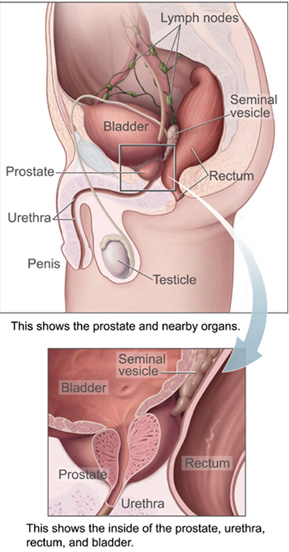 PageWhat Is the Prostate?The prostate is a gland in the male reproductive system, located below the bladder and around part of the urethra. It makes fluid that becomes part of semen and can affect urination if it grows or develops a health problem.
- PageMercury: The PlanetMercury is the smallest planet in the solar system and the one closest to the Sun. It has a rocky, heavily cratered surface, no moons, and extreme temperature changes between day and night.
 PageZodiac Signs and DatesThe Western zodiac has 12 signs, each with a commonly used date range. These dates are approximate: the Sun can enter a sign on a slightly different date depending on the year and time zone.
- AppDaily HoroscopeToday's horoscope for all twelve zodiac signs, written fresh every day, for entertainment.