Landmannalaugar Travel Guide
Landmannalaugar is a geothermal area in Iceland’s Fjallabak Nature Reserve, in the Highland region. It is known for natural hot springs, colorful landscapes, and the Laugahraun lava field, formed in an eruption around 1477.

What Landmannalaugar is known for
Landmannalaugar sits at the edge of the Laugahraun lava field. The surrounding Highland landscape and natural geothermal hot springs make it a distinctive place to visit.
It is within Fjallabak Nature Reserve, where weather and access conditions can change. Check current local guidance before setting out.
Things to do
Visitors come to experience the landscape and geothermal features. Choose activities based on current conditions and the time available.
- Walk near the Laugahraun lava field and take in the surrounding scenery.
- Visit the geothermal area; check local guidance before entering or bathing in any hot spring.
- Allow time to enjoy the Highland setting rather than treating the area as a quick roadside stop.
Planning a visit
Landmannalaugar is in Iceland’s Highland region, so reaching it requires checking road access and conditions in advance. Highland roads may be closed or difficult to travel, and conditions can change.
Before leaving, confirm the route is open and suitable for your vehicle, and check the weather and any local notices. Do not assume a route is passable based on an older map or report.
How to prepare
A little advance planning helps make a Highland visit safer and more comfortable. Use current information for the day of travel.
- 1Check road closures, access requirements, and weather conditions.
- 2Plan a route and share your plans with someone if traveling into remote areas.
- 3Bring clothing and supplies suited to changing weather, and follow posted signs and local instructions.
Questions people ask
Where is Landmannalaugar in Iceland?
Landmannalaugar is in Iceland’s Highland region, within Fjallabak Nature Reserve. It lies at the edge of the Laugahraun lava field.
What is Landmannalaugar known for?
It is known for natural geothermal hot springs and its surrounding landscape, including the Laugahraun lava field.
How do you get to Landmannalaugar?
The route depends on current road access and conditions. Check official or local road information before traveling, and make sure your vehicle is suitable for the route that is open.
Can you bathe in the hot springs at Landmannalaugar?
The area is known for natural geothermal hot springs, but conditions and access can vary. Check local guidance before entering the water.
Highland travel can involve changing weather, rough roads, and remote conditions; check current road and safety guidance before setting out.
Keep exploring
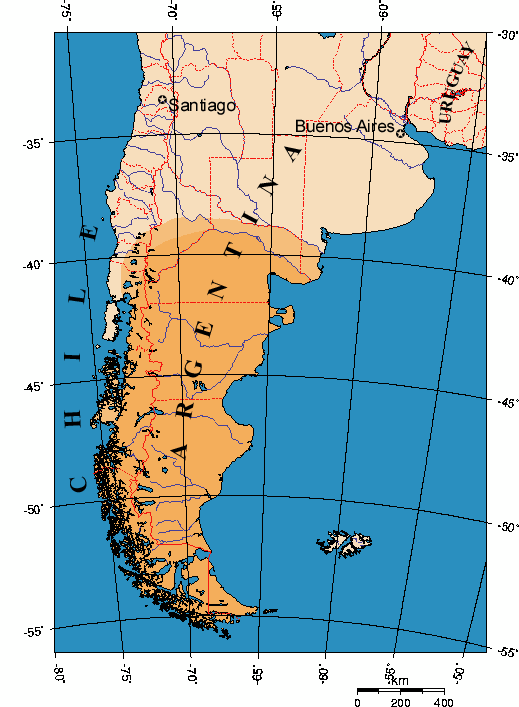 PagePatagonia Travel GuidePatagonia is a vast region at the southern end of South America, shared by Argentina and Chile. A trip can include Andean mountains, lakes, fjords, rainforests, glaciers, deserts, and steppes, so choose a region and route that fit your time and interests.
- PageGermany Travel and Country GuideGermany, officially the Federal Republic of Germany, is a country in Central and Western Europe. Its capital and largest city is Berlin, and the country borders nine nations.
- PageIndia: Country GuideIndia is a country in South Asia, with New Delhi as its capital. It is known for its varied landscapes, many languages and cultural traditions, and a history stretching back thousands of years.
 PageGalápagos Islands Travel GuideTo travel to the Galápagos Islands, fly from mainland Ecuador and plan to explore by boat, on guided excursions, or from a local island base. The islands are a protected national park and marine reserve, so check current entry rules and travel arrangements before you go.
 PageAtacama Desert Travel GuideThe Atacama Desert is in northern Chile, between the Pacific coast and the Andes. Many travelers stay in San Pedro de Atacama and visit nearby desert landscapes on day trips; flying to Calama and continuing by road is a common route.
 PageLa Campana National Park GuideLa Campana National Park is in Chile’s Valparaíso Region, in the coastal Cordillera de la Costa. It is known for its Jubaea chilensis palm forest and Cerro La Campana, which Charles Darwin climbed in 1834.