Poetry and Poems
Poetry is a form of literary art that uses language, often with rhythm and sound, to create meaning beyond the literal. A poem is an individual work of poetry, written by a poet.
What poetry is
Poetry uses the qualities of language to express ideas, feelings, or images. It can create meaning through sound, rhythm, and structure as well as through the words’ direct meanings.
A single work of poetry is called a poem. Poems can follow familiar patterns or use forms and structures invented by the poet.
How poems use language
Poets may use rhyme, rhythm, alliteration, and other sound patterns to give a poem musical or artistic effects. Some poems also use repetition, such as recurring words or phrases.
Poetic devices can draw attention to particular sounds or meanings. A poem may use several devices together, or rely on only a few.
Poetic forms and structure
Poems vary widely in structure. Some use regular patterns of rhythm or repeated sounds, while others have looser structures.
The conventions of poetic form differ across languages and cultures. A poem’s structure may organize sounds, words, phrases, or meaning.
Questions people ask
What is a poem?
A poem is an individual work of poetry. It uses language and may use rhythm, sound patterns, or other structures to create artistic effects.
What is the difference between poetry and a poem?
Poetry is the literary art or form; a poem is one work created in that form.
What are common features of poems?
Some poems use rhythm, rhyme, repetition, or sound devices such as alliteration. Not every poem uses the same features or follows a fixed pattern.
Do poems have to rhyme?
No. Rhyme is one technique poets may use, but poems can use other sound patterns or have no regular rhyme scheme.
Keep exploring
 PageFlowers and PlantsFlowers are the reproductive structures of flowering plants. Their parts often include sepals, petals, stamens, and a female structure that receives pollen and helps it reach an egg.
- PageFish and Aquarium FishFish are aquatic vertebrates that breathe through gills; many also use fins to move and steer. Aquarium fish are fish kept in a tank, and their care depends on the species and the conditions they need.
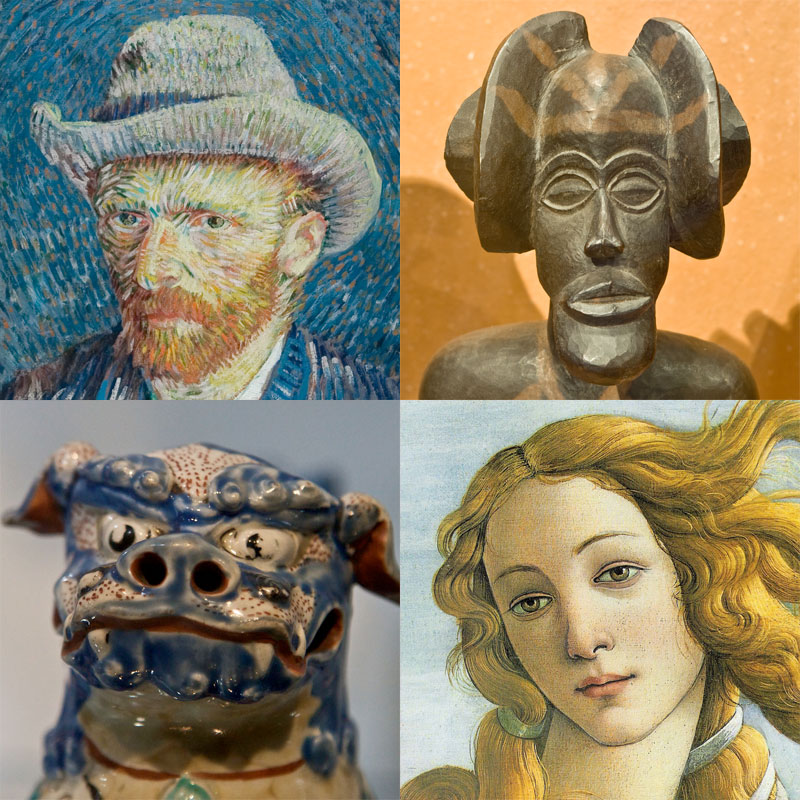 PageArt and ArtworkArt is creative human work made to offer an experience, such as emotion, thought, or beauty. An artwork is an individual creation, which can take many forms and may be interpreted differently by each viewer.
 PageBooks and Reading RecommendationsBooks come in many forms, from printed volumes to ebooks and audiobooks, and cover both imagined stories and factual subjects. To find a good next read, start with a genre or topic you enjoy, then choose a format that fits your routine.
 PageFrank Sinatra and His SongsFrank Sinatra (1915–1998) was an American singer, conductor, and actor known for his distinctive voice and lasting influence on popular entertainment. Some of his best-known songs include “My Way,” “Fly Me to the Moon,” and “New York, New York.”
 PageCameras and PhotographyA camera captures images and video by recording light, either with an electronic image sensor or on light-sensitive photographic film. Cameras are used in photography, videography, science, media, and many other fields.