Oranges: Nutrition, Varieties, and Uses
Oranges are citrus fruits known for their juicy flesh and sweet-tart flavor. They provide vitamin C and fiber, and can be eaten fresh, juiced, or used in cooking.
Nutrition in oranges
Oranges contain vitamin C, fiber, water, and natural carbohydrates. Eating the whole fruit provides fiber from its flesh and membranes; juice generally has less fiber.
Nutrition varies with the fruit’s size and variety. For a specific amount, check the nutrition label on packaged orange products.
Common orange varieties
Navel oranges are often eaten fresh and are usually seedless. Valencia oranges are commonly used for juice.
Blood oranges have reddish flesh, while mandarins are smaller citrus fruits with a distinctively easy-to-peel skin. These varieties differ in flavor, color, and typical use.
Ways to eat and use oranges
Enjoy orange segments as a snack, or add them to salads and other dishes. Orange juice is another familiar option.
The zest—the thin, colored outer layer of the peel—can add citrus flavor to baked goods, sauces, and marinades. Avoid grating the bitter white pith beneath it.
Choosing and storing oranges
Choose oranges that feel firm and heavy for their size, without soft or moldy spots. Skin color alone does not reliably show how sweet or ripe an orange is.
Keep oranges at room temperature for short-term use or refrigerate them to help them last longer. Discard fruit that becomes moldy or spoiled.
Questions people ask
Are oranges healthy?
Oranges provide vitamin C, fiber, and water. As with other foods, how they fit into a diet depends on a person’s needs and overall eating habits.
Are oranges and mandarins the same?
They are both citrus fruits, but mandarins are a distinct group. They are generally smaller and easier to peel than many sweet oranges.
Should oranges be refrigerated?
They can be kept at room temperature for short-term use or refrigerated to help them last longer. Keep cut fruit covered and chilled.
Is orange juice as nutritious as a whole orange?
Orange juice can provide vitamin C, but it generally has less fiber than a whole orange. Nutrition varies by product, so check the label.
Keep exploring
 PageSalt: Types, Uses, and FactsSalt is a mineral made primarily of sodium chloride (NaCl). It is used to season and preserve food, and in its natural crystalline form it is called rock salt or halite.
 PageSpices and Herbs: Names and UsesSpices are plant parts such as seeds, roots, bark, or fruit used mainly to flavor or color food. Herbs usually come from a plant’s leaves, flowers, or stems; both are seasonings.
 PageAcorns: Facts and UsesAn acorn is the nut, or seed-bearing fruit, of an oak tree and its close relatives. It has a tough outer shell and a cup-shaped base, and it can take 5 to 24 months to mature, depending on the oak species.
 PageType 2 Diabetes: Care, Diet and TreatmentType 2 diabetes is a condition in which blood sugar is too high because the body does not use insulin well and may not make enough of it. Care can include healthy eating, physical activity, blood sugar monitoring, and medication, including insulin for some people.
- PageCarbohydrates and Food SourcesCarbohydrates are nutrients found in foods such as grains, fruit, beans, milk, and sweets. They include sugars, starches, and fiber, and the type of food they come from can affect its overall nutritional value.
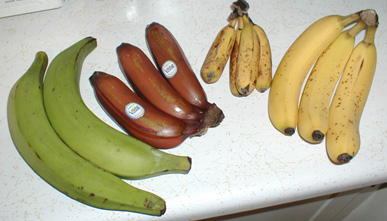 PageBananasA banana is an elongated, edible fruit that grows in clusters on large herbaceous plants in the genus Musa. Most cultivated dessert bananas are seedless and come from two wild species or their hybrids.