Oceans: Facts and Overview
The ocean is the connected body of salt water covering about 70.8% of Earth’s surface. It holds most of the planet’s water and helps shape climate, weather, and life on Earth.

What is the ocean?
The ocean is a vast body of salt water that surrounds and connects the continents. It is commonly divided into named oceans, which include smaller bodies of water such as seas and gulfs.
Although maps show separate oceans, they are all parts of one connected global ocean.
The five oceans
The global ocean is conventionally divided into five named oceans. Their boundaries are geographic divisions within connected waters.
- Pacific Ocean
- Atlantic Ocean
- Indian Ocean
- Southern Ocean
- Arctic Ocean
Why oceans matter
The ocean is a major reservoir of heat and plays an important role in Earth’s energy balance, climate, and weather. It also takes part in the water and carbon cycles.
Ocean waters and habitats support a large share of Earth’s animal and protist life. Photosynthesis first developed in the ocean, and ocean life continues to supply about half of Earth’s oxygen.
Questions people ask
How many oceans are there?
The global ocean is commonly divided into five oceans: the Pacific, Atlantic, Indian, Southern, and Arctic.
What is the difference between an ocean and a sea?
Oceans are the largest divisions of the global salt-water body. Seas are generally smaller bodies of water, often partly enclosed by land or connected to an ocean.
How much of Earth is covered by oceans?
Ocean water covers approximately 70.8% of Earth’s surface.
Which is the largest ocean?
The Pacific Ocean is the largest of the five commonly named oceans.
Keep exploring
 PagePlanet Earth: Facts and GuideEarth is the third planet from the Sun and the only astronomical object known to harbor life. Its oceans cover about 70.8% of its surface, and its moving tectonic plates shape the land.
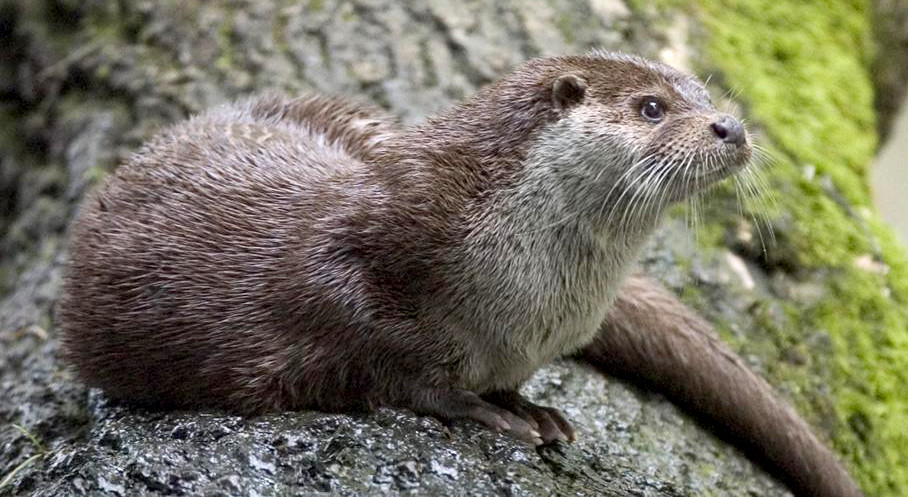 PageOtters: Facts and SpeciesOtters are carnivorous mammals in the subfamily Lutrinae, part of the weasel family. The 14 living species are semiaquatic and live in freshwater or marine environments, depending on the species.
 PagePandas: Facts and GuideThe giant panda is a bear native to China, known for its black-and-white coat and diet made up almost entirely of bamboo. Its forepaw has a thumb-like feature that helps it hold bamboo while eating.
 PageSnakes: Facts and GuideSnakes are limbless, air-breathing reptiles with long bodies covered in scales. They move in several ways, and their flexible skulls let many swallow prey larger than their heads.
- PageJapan: Facts and Travel GuideJapan is an island country in East Asia, made up of four major islands and more than 14,000 smaller ones. It has 47 prefectures, and Tokyo is its capital and largest city.
 PageDucks: Facts and GuideDucks are waterfowl in the bird family Anatidae. The name covers many species, generally smaller and shorter-necked than geese and swans, and found in freshwater or marine habitats.