Kangaroos: Facts and Habitat
Kangaroos are marsupials in the family Macropodidae, native to Australia and New Guinea. The name commonly refers to several of the family’s largest species, including red and grey kangaroos.

What is a kangaroo?
Kangaroos are marsupials in the family Macropodidae and subfamily Macropodinae. In everyday use, “kangaroo” usually means one of the largest species in the family.
The species commonly called kangaroos include the red kangaroo, antilopine kangaroo, eastern grey kangaroo, and western grey kangaroo.
Where kangaroos live
Kangaroos are native to Australia and New Guinea. Their habitat depends on the species, so the word “kangaroo” does not point to just one kind of landscape.
Kangaroos can also be seen in zoos. A zoo’s animal information or exhibit signs can tell you which species you are looking at.
Kangaroo population estimates
Population figures depend on the area and the counting method. The Australian government estimated 42.8 million kangaroos within Australia’s commercial harvest areas in 2019, compared with 53.2 million in 2013.
Those figures apply to the commercial harvest areas, not necessarily to every kangaroo across Australia or New Guinea.
Questions people ask
What is a kangaroo?
A kangaroo is a marsupial in the family Macropodidae. In common usage, the name refers to several of the family’s largest species.
Where do kangaroos live?
Kangaroos are native to Australia and New Guinea. The habitat varies by species.
Can you see kangaroos in a zoo?
Yes, kangaroos may be kept in zoos. Check the exhibit signs to learn the species on display.
How many kangaroos are in Australia?
An Australian government estimate counted 42.8 million kangaroos in commercial harvest areas in 2019. That estimate covered those areas, not necessarily all kangaroos in the country.
Keep exploring
 PageMongoose: Facts and HabitatA mongoose is a small, ground-dwelling carnivorous mammal in the family Herpestidae. Mongoose species are native to parts of Africa, Asia, and southern Europe, and they eat a varied diet that includes insects and small animals.
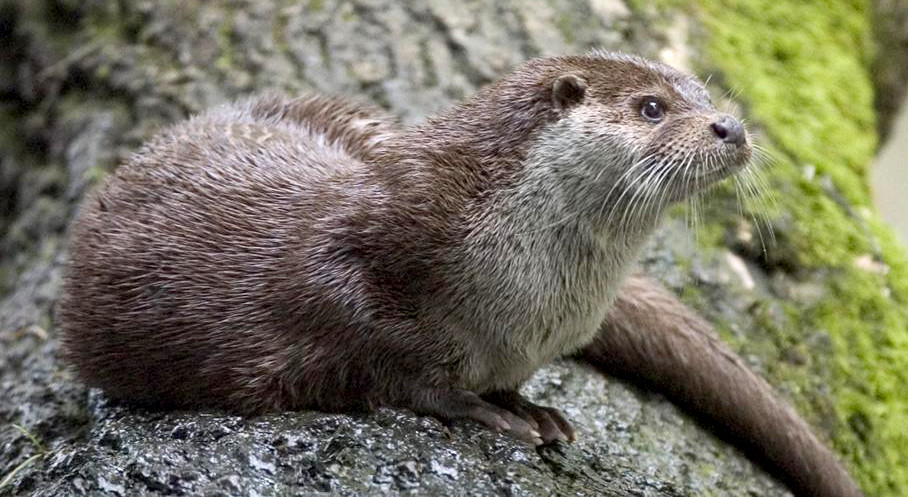 PageOtters: Facts and SpeciesOtters are carnivorous mammals in the subfamily Lutrinae, part of the weasel family. The 14 living species are semiaquatic and live in freshwater or marine environments, depending on the species.
 PagePandas: Facts and GuideThe giant panda is a bear native to China, known for its black-and-white coat and diet made up almost entirely of bamboo. Its forepaw has a thumb-like feature that helps it hold bamboo while eating.
 PageBison: Facts About the AnimalA bison is a large, hoofed mammal in the cattle family. The two living species are the American bison, native to North America, and the European bison; “buffalo” is a common name for the American bison.
 PageMonkeys: Facts and GuideMonkeys are primates commonly grouped into New World monkeys and Old World monkeys. In everyday use, the word usually excludes apes, though apes and monkeys are both part of the larger group called simians.
 PageSnakes: Facts and GuideSnakes are limbless, air-breathing reptiles with long bodies covered in scales. They move in several ways, and their flexible skulls let many swallow prey larger than their heads.