Hearing Aids: Types and Guide
A hearing aid is a small electronic device that makes sound easier to hear for someone with hearing loss. Different styles fit behind or inside the ear, and a hearing professional can help match a device to a person’s hearing needs.

What a hearing aid does
A hearing aid uses microphones and electronic processing to make sounds more audible. It can help with conversation and other everyday sounds, but it does not restore hearing to normal.
The right settings depend on a person’s hearing loss and listening needs. Hearing aids are classified as medical devices in most countries.
Common hearing aid types
Hearing aids come in several styles, which differ in where they sit and how visible they are. Features and fit vary by model.
- Behind-the-ear (BTE): Sits behind the ear and sends sound into the ear through a tube or wire.
- Receiver-in-canal (RIC): Sits behind the ear, with a small receiver in the ear canal.
- In-the-ear (ITE): Fits in the outer part of the ear.
- In-the-canal (ITC) and completely-in-canal (CIC): Fit partly or mostly inside the ear canal.
How to get started
A hearing evaluation can help identify whether hearing aids may be useful and what kind of support is needed. If hearing loss is sudden or comes with other concerning symptoms, seek medical advice promptly.
- 1Arrange a hearing evaluation with an audiologist or other qualified hearing professional.
- 2Discuss your hearing test results, everyday listening needs, and which styles may suit you.
- 3Ask about fitting, adjustments, follow-up care, and how to use and maintain the device.
Hearing aids and sound amplifiers
A hearing aid is designed to help a person with hearing loss hear better. Personal sound amplification products (PSAPs) and other plain sound-reinforcing systems are different products and cannot be sold as “hearing aids” under the distinction described in the reference.
Rules and product categories can vary by country. Check local regulations and ask a hearing professional if you are unsure which type of device is appropriate.
Questions people ask
What is a hearing aid?
A hearing aid is an electronic device designed to make sound easier to hear for someone with hearing loss. It processes sound and delivers it at a level that may be more audible.
How does a hearing aid work?
Microphones pick up sound, and the device processes it before sending it into the ear. The settings are adjusted to a person’s hearing needs.
What are the different types of hearing aids?
Common styles include behind-the-ear, receiver-in-canal, in-the-ear, and in-the-canal devices. They differ in fit, placement, and visibility.
Are hearing aids the same as sound amplifiers?
No. Hearing aids are designed for people with hearing loss, while PSAPs and other plain sound amplifiers are different products.
This information is general and does not replace advice from a qualified hearing or medical professional.
Keep exploring
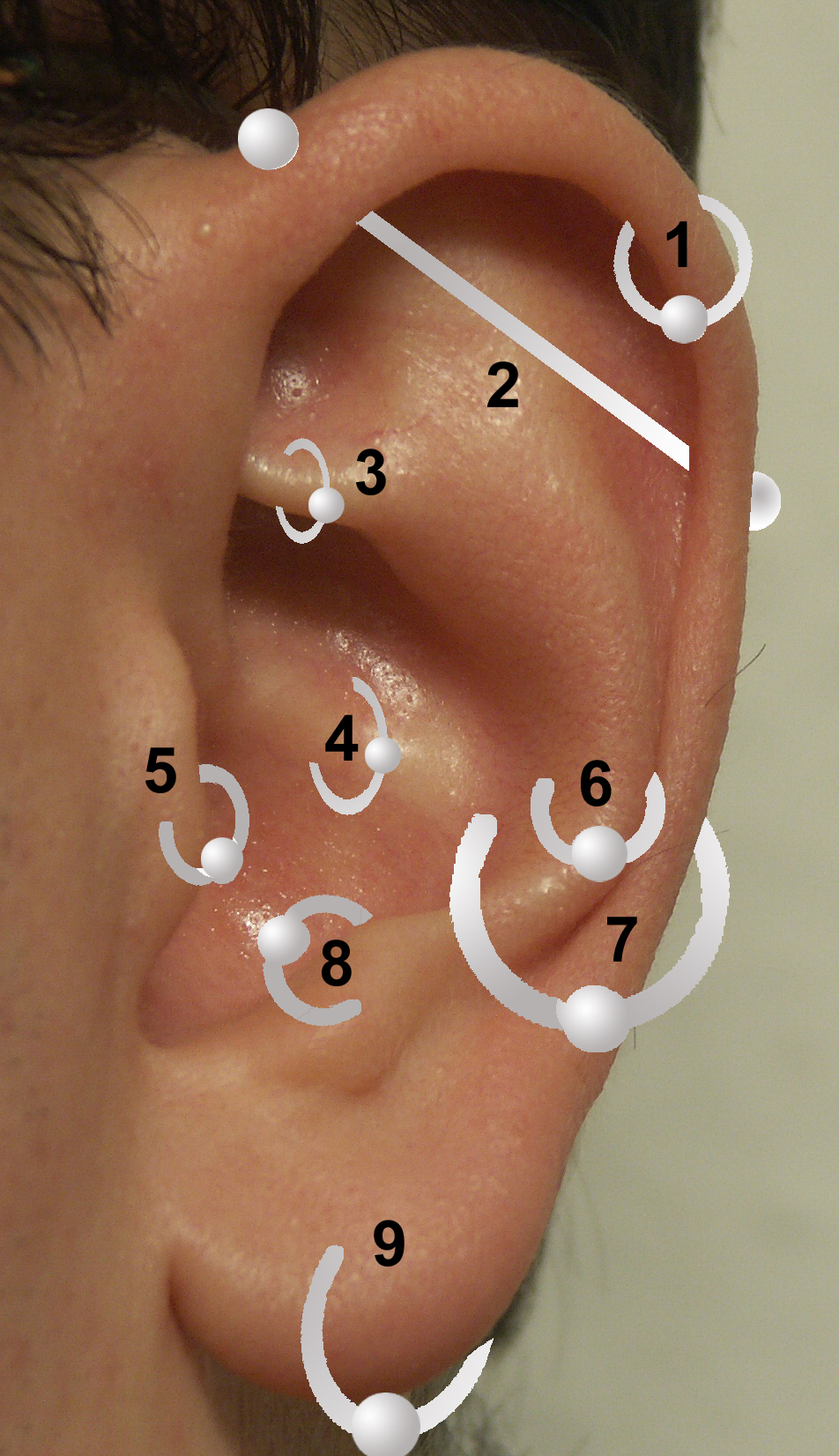 PageEarrings: Styles and TypesEarrings are jewelry worn on the ears, either through a piercing or with another attachment method. Common styles include studs, hoops, drops, and clip-ons.
 PageComputers: Types and Buying GuideA computer is a programmable machine that processes data by carrying out instructions called programs. Common choices include desktop PCs and laptops; the right one depends on how and where you plan to use it.
- PageMedicaid GuideMedicaid is a government health insurance program for people with limited income and resources. States run their programs under federal standards, so eligibility, benefits, and how to apply vary by state.
- PageAntivirus Software GuideAntivirus software, also called anti-malware, is designed to help prevent, detect, and remove malicious software. Choose a tool that fits your device, keep it updated, and remember that no antivirus program can stop every threat.
 PageToilet Paper: Types and Buying GuideToilet paper is tissue paper used to clean the body after using the bathroom. To choose a product, compare its softness, strength, ply, material, and package details, and check whether it suits your plumbing and disposal needs.
- PageVirus Protection GuideVirus protection helps prevent, detect, and remove malicious software, including viruses and other malware. Use an up-to-date security tool alongside software updates, careful downloads, and safe browsing habits.