Cover Letter Examples
A strong cover letter introduces you, connects your experience to the job, and gives the employer a reason to read your résumé. Use these examples as starting points, then tailor the details to the role and your background.
Professional cover letter examples
A professional cover letter is specific to the position and explains how your experience fits the employer’s needs. These short openings show different ways to make that connection; replace the bracketed details with your own.
- Experienced applicant: “I’m applying for the [job title] role. In my work as a [previous role], I developed experience in [relevant skill] that matches your need for [job requirement].”
- Entry-level applicant: “I’m applying for the [job title] position. My [coursework, project, or volunteer experience] gave me practice with [relevant skill], and I’m ready to apply it in a professional setting.”
- Career changer: “I’m interested in the [job title] role because it brings together my experience in [transferable area] and my growing skills in [new field].”
- Referred applicant: “[Name] suggested I contact you about the [job title] opening. My experience with [relevant work] may be a strong match for the team’s needs.”
What to include
A cover letter typically names the position, introduces your relevant qualifications, and explains your interest in the role. Include one or two concrete examples that support your fit, rather than repeating your résumé line by line.
- A greeting addressed to the hiring manager, if you can find their name
- The job title and a concise opening
- Relevant skills or accomplishments connected to the job description
- A brief closing that expresses interest and invites follow-up
A simple structure to follow
Use this order to build a letter that is easy to scan. Keep the tone professional and make sure every detail is accurate.
- 1Open by naming the position and giving a clear reason for applying.
- 2Choose a relevant example from your work, education, or other experience.
- 3Explain how that example connects to a need mentioned in the job posting.
- 4Close with thanks and a professional sign-off.
Make the example your own
Replace generic claims with details that are true for you, and use language that reflects the employer’s stated requirements. Before sending, check the job title, company name, contact details, spelling, and formatting.
If you do not have paid experience in the field, draw on relevant coursework, projects, volunteer work, or transferable skills. Do not claim qualifications or results you cannot support.
Questions people ask
What should a professional cover letter include?
Name the role, explain why your relevant experience fits, and close professionally. Use specific details that support your claims and match the job posting.
How do I write a cover letter with no experience?
Connect the role to relevant coursework, projects, volunteer work, or transferable skills. Focus on what you can demonstrate rather than apologizing for limited work history.
Should a cover letter repeat my résumé?
No. It can highlight a relevant résumé detail, but it should explain why that experience matters for this particular job instead of restating your work history.
How long should a cover letter be?
Keep it concise and focused on the strongest evidence that you fit the role. Follow any length or format instructions in the job posting.
Keep exploring
- PageHow to Write a Cover LetterA strong cover letter connects your experience to the job and explains why you want the role. Keep it focused, tailor it to the employer, and use a clear opening, a few specific examples, and a professional closing.
- PageAPA Paper Format ExamplesA typical APA 7 student paper has a title page, a text section, and a references page. Use double spacing, page numbers, author–date citations, and APA heading and list styles unless your instructor gives different directions.
- PageSimiles and ExamplesA simile is a figure of speech that compares two different things to describe one of them in a vivid way. Similes often use “like” or “as,” as in “the lake was like glass.”
- PageSentences: Types and ExamplesA sentence is a group of words that expresses a complete thought. In English, sentences can make statements, ask questions, give commands, or express strong feelings.
- PageFigurative Language: Types and ExamplesFigurative language uses words in a nonliteral way to create a comparison, image, or effect. Common types include similes, metaphors, personification, hyperbole, and idioms.
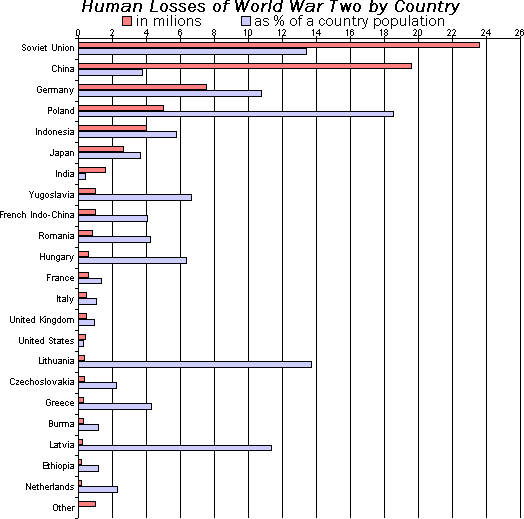 PageBar Graphs: Examples and WorksheetsA bar graph uses rectangular bars to compare values across categories. Bars may run vertically or horizontally, and their lengths or heights show the values they represent.